

Keep Your Cat Active and Minded: The Ultimate Guide to Cat Spinner Toys
Every indoor cat deserves a toy that makes them feel like a hunter. That's exactly where cat spinner toys come in-and this guide covers everything you need to know about choosing, using, and getting the most out of them.
Quick Answer: What Is a Cat Spinner and Why Your Cat Needs One
A cat spinner is any toy that spins, whirls, or rotates-whether powered by your cat's paws, a small motor, or your own hand. For modern indoor cats that don't get to chase real prey, these toys fill a critical gap. A cat spinner toy triggers a cat's hunting and batting instincts, giving your kitty a healthy outlet for all that pent-up predatory energy.
Cat spinners provide both physical exercise and mental stimulation, which helps fight boredom, weight gain, and destructive behavior. Think feather-topped spinning wands, spinning scratcher balls, and electronic hunting toys that rotate unpredictably. Cat toys that mimic prey movements provide instinctive enrichment that a simple plush mouse sitting on the floor simply can't match.
One standout example is the Cidero Hunting Spinner Exercise Toy for Cats-a spinner designed to tap into a cat's natural hunting instincts with rotating lures that change speed and direction. This article will walk you through types, benefits, safety, training tips, and how to choose the right spinner for your cat.
Understanding Cat Spinners: How They Work
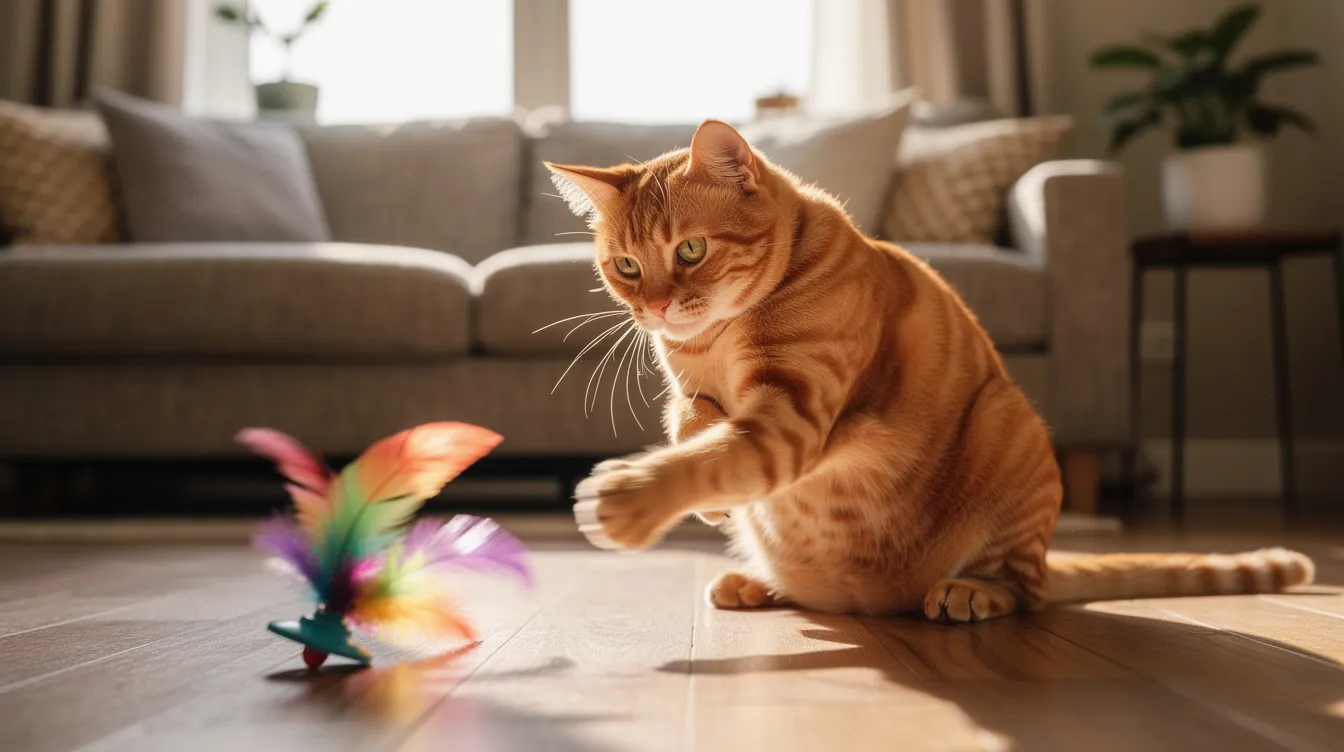
At its core, a cat spinner is a toy that rotates around a fixed point-whether that's a pole, axle, base, or circular track. The spin can be powered by a motor, by the cat's own batting, or even by wind (in the case of outdoor decor pieces). The motion catches a cat's eye, triggers the chase response, and gets them moving.
Common mechanical styles include spring-mounted spinning toys where a feather or lure bounces and twirls on a flexible post, ball-in-track spinners where a ball circles a looped channel, vertical spinning discs that wobble when struck, and wind-driven garden spinners shaped like cats for outdoor decoration. Popular cat spinners are battery-operated or manual, with the battery-powered versions offering more erratic, unpredictable movement patterns.
Size varies widely. A compact spinning ball on a wooden base might measure just 4.7 inches across, while larger decorative spinners can stretch to 12–13 inches in diameter or even bigger. Rotating toys can keep cats engaged by changing speed and direction, which is why many electronic versions include variable motion settings.
It's worth noting that "cat spinner" can refer both to interactive play toys and to decorative wind spinners featuring cat designs. This guide focuses mainly on toys built for your cat's wellbeing, though we'll touch on decor items too.
Why Cat Spinners Are Good for Cats: Health & Behavior Benefits
Spinners simulate prey movement-the darting, fluttering, unpredictable motion that lights up every hunting circuit in your cat's brain. This aligns perfectly with what cats are wired to do: stalk, chase, pounce, and capture. That instinctive drive doesn't disappear just because your cat lives indoors.
The physical benefits are significant. Chasing and batting at spinning toys helps maintain a healthy weight, supports joint mobility, and builds muscle tone. Cat spinners can help burn pent-up energy in indoor cats that would otherwise have no outlet for their natural athleticism. Kinetic movement in a cat spinner encourages physical activity that's hard to replicate with a stationary plush toy.
Mental stimulation matters just as much. Unpredictable spinning, changing speeds, and moving targets keep a cat's brain engaged and reduce boredom-related stress. A 2025 preference study found that roughly 75% of cats in the sample showed high preference for moving toys over stationary ones-movement is king when it comes to feline engagement. Regular play reduces boredom-related behaviors in cats, and regular exercise can relieve stress and anxiety in cats who might otherwise redirect that energy into scratching furniture or yowling at 3 a.m.
Consider a young indoor tabby with too much energy before bedtime. Two sessions a day with a spinning feather toy-one in the morning, one in the evening-can dramatically reduce nighttime zoomies and attention-seeking behavior. Interactive toys help alleviate stress and boredom in cats, making life better for both the cat and the owner.
Main Types of Cat Spinner Toys
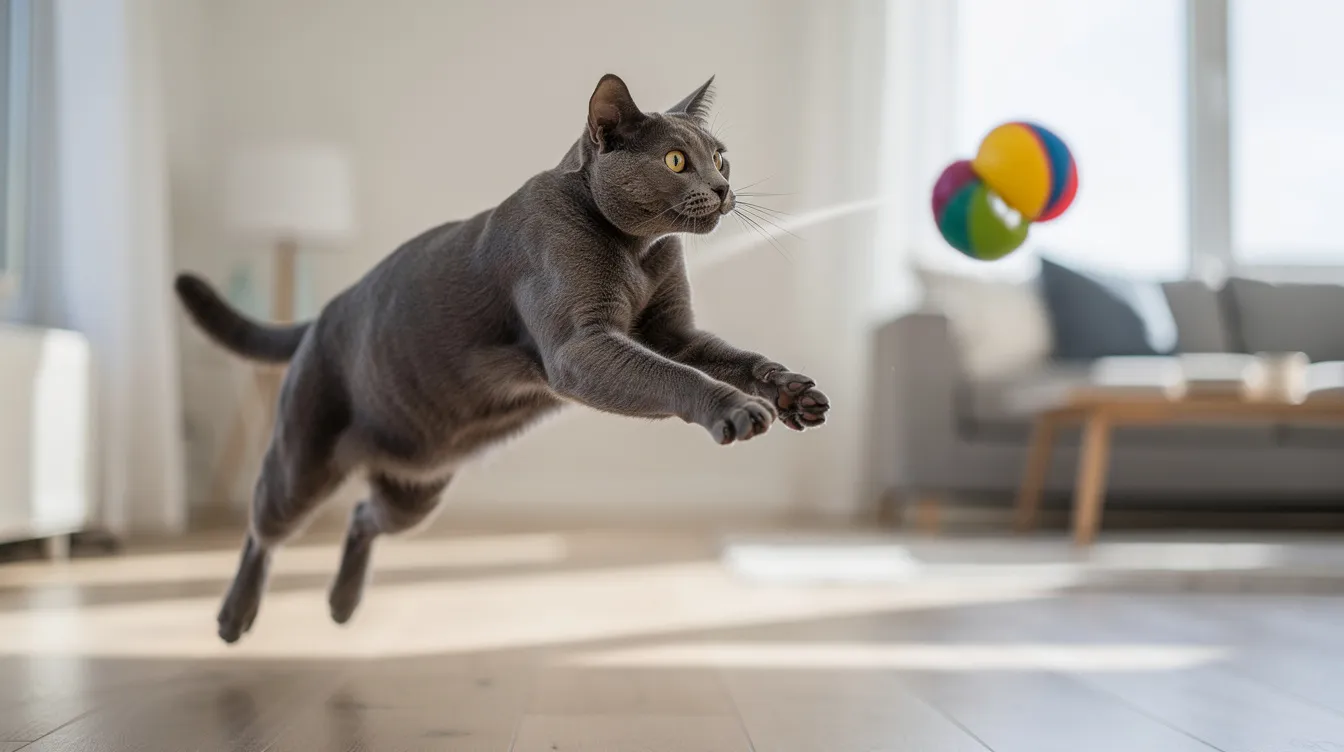
Not all cat spinners are created equal. Choosing the right style depends on your cat's age, energy level, and play preferences. Here's a breakdown of the main categories.
First, there are manual feather-and-fur spinners. The Feather and Fur Spinner is designed for natural hunting instincts, using materials like rabbit fur and feathers that flutter and spin when batted. The Feather and Fur Spinner is 4 inches in size, making it compact enough for apartment play. These toys activate stalking and pouncing behaviors beautifully, though they work best with some human involvement to keep the motion going.
Second, spinning ball and track toys offer a more independent play experience. The Cat Scratching Ball Toy is made from natural sisal, combining scratching satisfaction with spinning motion. The Cat Scratching Ball Toy measures 4.7 inches in diameter, sits on a sturdy base, and lets your cat bat the ball to make it circle or spin. These satisfy both scratching and chasing urges in one package.
Third, electronic and battery-operated spinners move unpredictably on their own. The Dizzy Spinner mimics prey movements to engage cats with fast and erratic movements that simulate prey. The Dizzy Spinner Cat Toy is battery-operated for extended use, meaning it keeps going even when you're not in the room. The Dizzy Spinner Cat Toy mimics prey movements for engagement through random speed changes and direction shifts. Ball-shaped toys with ribbons, wobbling bases, or rotating wands all fall into this category.
Finally, decorative outdoor cat wind spinners exist as a separate category-beautiful for garden or patio decor, but not designed for direct cat interaction.
Spotlight: Hunting Spinner Exercise Toy for Cats (Cidero)
If you're looking for a spinner that checks the most important boxes-unpredictable movement, hunting simulation, and solid build quality-the Cidero Hunting Spinner Exercise Toy for Cats is worth a close look. It features a rotating hunting-style lure with feathers that spins, pauses, and changes direction to mimic the erratic movement of live prey.

This matters because research from National Cheng Kung University found that toys with erratic motion and physical lures ranked highest for play motivation-outperforming puzzle toys and predictable track balls by a wide margin. Rotating toys can help cats practice natural hunting behaviors, and the Cidero spinner is built around exactly this principle. Interactive toys can provide hours of fun and mental engagement when designed this way.
The toy works well for both kittens and adult indoor cats. It provides daily exercise, mental stimulation, and a safe outlet for predatory energy that might otherwise be directed at ankles or furniture. Practical details that matter: a sturdy base that stays put during vigorous batting, a simple on/off control to adjust for your cat's temperament, and materials chosen with cat safety in mind.
When shopping on the product page, you can check the current price in eur, view the sku for your records, and add the item to your cart. Shipping is typically calculated at checkout, and availability may vary by country-the brand ships to locations including the Netherlands and beyond. If you want to see the toy in action, look for a modal open media option or open media gallery that may launch in a new window. Consider adding this spinner to a twice-daily play routine-10 to 15 minutes morning and evening is a solid starting point for most cats.
Matching Spinner Toys to Your Cat's Personality
Every cat is different. A bold, high-energy hunter won't respond to toys the same way a cautious rescue cat does, and a senior cat has different needs than a six-month-old kitten bouncing off the walls.
For high-energy "hunter" cats, go with fast, unpredictable electronic spinners or feather spinners they can chase across a room. These cats thrive on erratic movement and want to sprint, leap, and pounce. A black or gray feather lure on a spinning base will often send them into full predator mode within seconds.
For cautious or easily startled cats, start with quieter, slower manual spinners and stationary spinning ball toys they can approach at their own pace. Cat spinners provide entertainment without requiring owner interaction, which makes them ideal for shy cats who prefer to play when no one's watching. Independent play is encouraged by cat spinner toys during owner absence, giving timid cats the space they need.
For senior cats or those with mobility issues, low-profile spinning toys with slower speeds work best. Place the toy near favorite resting spots so your older cat doesn't have to travel far to engage. If you've just brought home an anxious rescue, keep the spinner turned off for the first few days-let the cat sniff and investigate at their own pace before introducing any movement. A gradual approach over a week can turn a nervous kitty into a confident player.
Safety First: Materials, Construction & Supervision
Safety comes before fun when choosing any spinning toy for your cat. A poorly built spinner can turn from enrichment into a hazard quickly.
Look for sturdy construction: securely attached feathers, screws instead of weak glue joints, and solid bases that won't tip over during aggressive play. The handle or mounting point should feel firm and not wobble. Supervision is recommended for toys with small detachable parts-especially ribbons, bells, or feather tips that could be chewed off and swallowed.
Material quality matters enormously. Toys made from non-toxic materials are safer for cats, so look for natural sisal, solid wood, non-toxic plastics, and safely dyed fabrics. Avoid anything with a strong chemical smell, flaking paint, or parts small enough to fit inside your cat's mouth. The Consumer Product Safety Commission sets standards for lead, cadmium, and phthalates in children's toys, and reputable pet toy manufacturers follow similar benchmarks.
Electronic spinners need extra attention. Make sure battery compartments are secure and can't be pried open by curious paws. Lights on the toy should be well-enclosed. Toys with strings or ribbons that spin at high speed should only be used under supervision, while enclosed track spinners and solid-base ball toys are generally safe for solo play.
Build a quick weekly inspection into your routine: check for frayed strings, cracked plastic, exposed wiring, or loose pieces, and replace or repair anything that looks compromised. A two-minute check can prevent a vet visit.
How to Introduce a Cat Spinner to Your Cat
Some cats dive straight into a new toy. Others need time-especially with noisy or electronic spinners that move on their own. Don't worry if your cat is cautious at first; that's completely normal.
Start with the toy turned off and placed in a familiar area. Let your cat sniff it, circle it, and investigate on their own terms. Resist the urge to push the toy toward them or turn it on right away. Once your cat seems comfortable around the object, introduce slow spinning while you sit nearby. Reward any curiosity-a head tilt, a tentative paw tap-with a treat or gentle praise.
Scatter a few treats or a favorite snack around the base of the spinner to create a positive association. Your cat learns quickly: "this weird spinning thing equals good things happening." For the first few sessions, keep the content of each play period short-three to five minutes is plenty.
For timid cats, limit initial sessions to gentle movement only and store the toy away between introductions. Avoid leaving it out overnight where unexpected activation could startle a nervous cat.
Here's a realistic timeline: over three to four days, an adult house cat typically goes from cautious investigation to confident batting. By day two, most cats are pawing at the lure. By day four, you'll likely find them waiting near the spot where you usually set it up.
Building a Daily Play Routine with Spinner Toys
Consistency beats intensity when it comes to cat play. Short daily sessions do far more for your cat's health and stress levels than occasional marathon play days followed by nothing.
A practical routine looks like this: 10 minutes with a hunting spinner toy before breakfast to burn off overnight energy, and 10 to 15 minutes in the evening before bed to tire your cat out for a calmer night. You'll notice the difference within a week-less 3 a.m. chaos, less furniture scratching, and a generally more relaxed cat.
Mix spinner toys with other play styles to keep things fresh. Alternate between the spinner, a wand toy, a tunnel, or a climbing session on a cat tree. Different toys work different muscles and engage different parts of your cat's brain. A simple weekly approach works well: Monday through Wednesday, focus on the spinner for your cat's primary play sessions; Thursday and Friday, switch to a wand or chase toy; and on weekends, combine both.
Rotating toys is key to preventing boredom. Keep the spinner out for a week, then swap it for something else. When you reintroduce it after a break, your cat will treat it like a brand-new toy. If you want to decrease quantity of play sessions as your cat ages, reduce gradually rather than stopping abruptly.
Cat Spinners vs. Other Interactive Cat Toys
Cat spinners aren't the only game in town, so how do they stack up against other popular options?
Compared to basic balls and plush mice, spinners win on engagement. A plush mouse sits there; a spinner moves. That continuous movement with minimal human effort gives spinners strong solo-play potential. Your cat can entertain themselves while you're at work or running errands.
Laser pointers are great for chasing, but they have a well-known drawback: there's nothing to catch. Cats that never "capture" their prey can become frustrated over time. Spinners with physical lures-feathers, fur, ribbons-let your cat grab, bite, and kick, completing the full hunting sequence. Standard wand toys are excellent but require an active human every session.
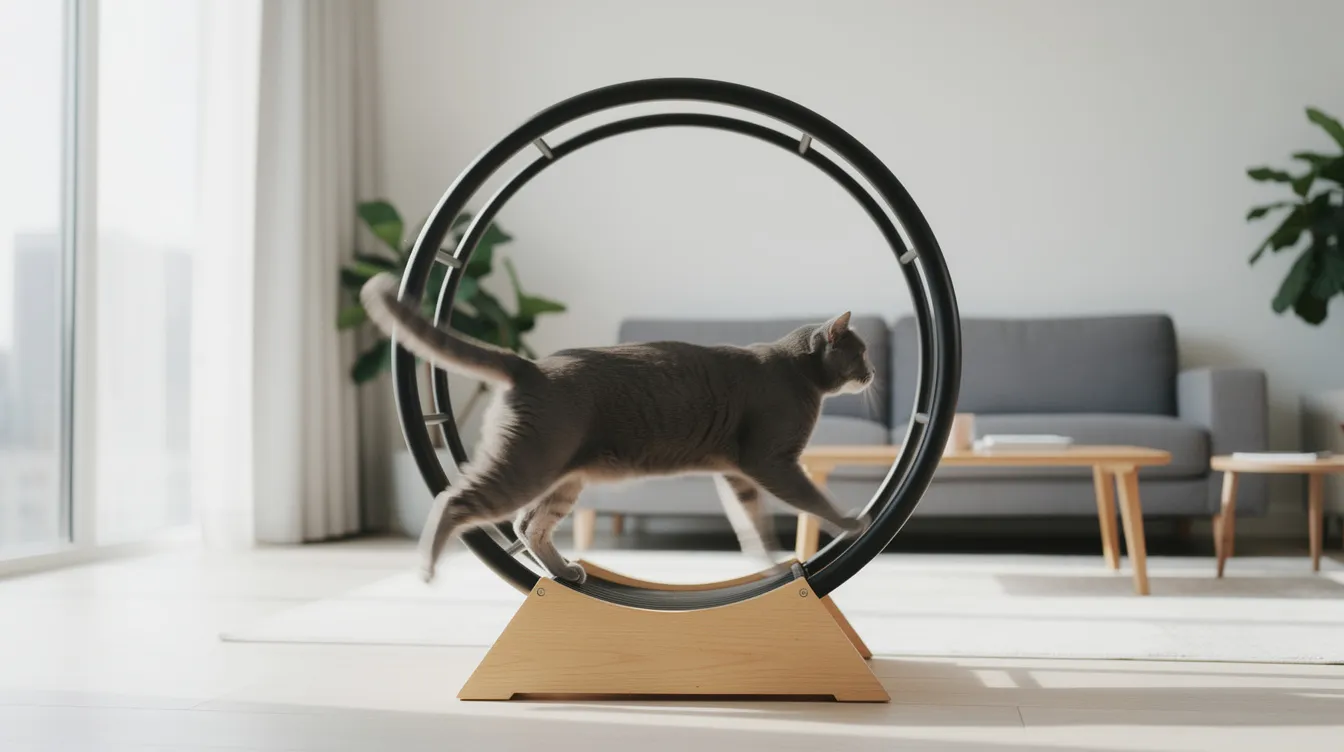
For cats that need serious exercise, cat wheels provide physical exercise for indoor cats at another level entirely. Cat wheels serve as energy outlets for active breeds like Bengals and Abyssinians. The Cat Exercise Wheel has a 48-inch diameter and can accommodate cats weighing up to 25 lbs. Cat wheels help manage weight in sedentary pets and stimulate mental activity and reduce boredom, but training may be required-training typically takes 2-3 weeks for cats to use the wheel. Choosing a larger wheel prevents spinal strain in cats, and the wheel reduces stress and anxiety in cats once they're comfortable. Foam traction pads are replaceable for maintenance, keeping the surface safe over time.
That said, spinners should complement, not replace, human-cat bonding time. No toy substitutes for you dragging a string across the floor while your cat goes wild.
Outdoor Cat Wind Spinners for Garden & Patio Decor
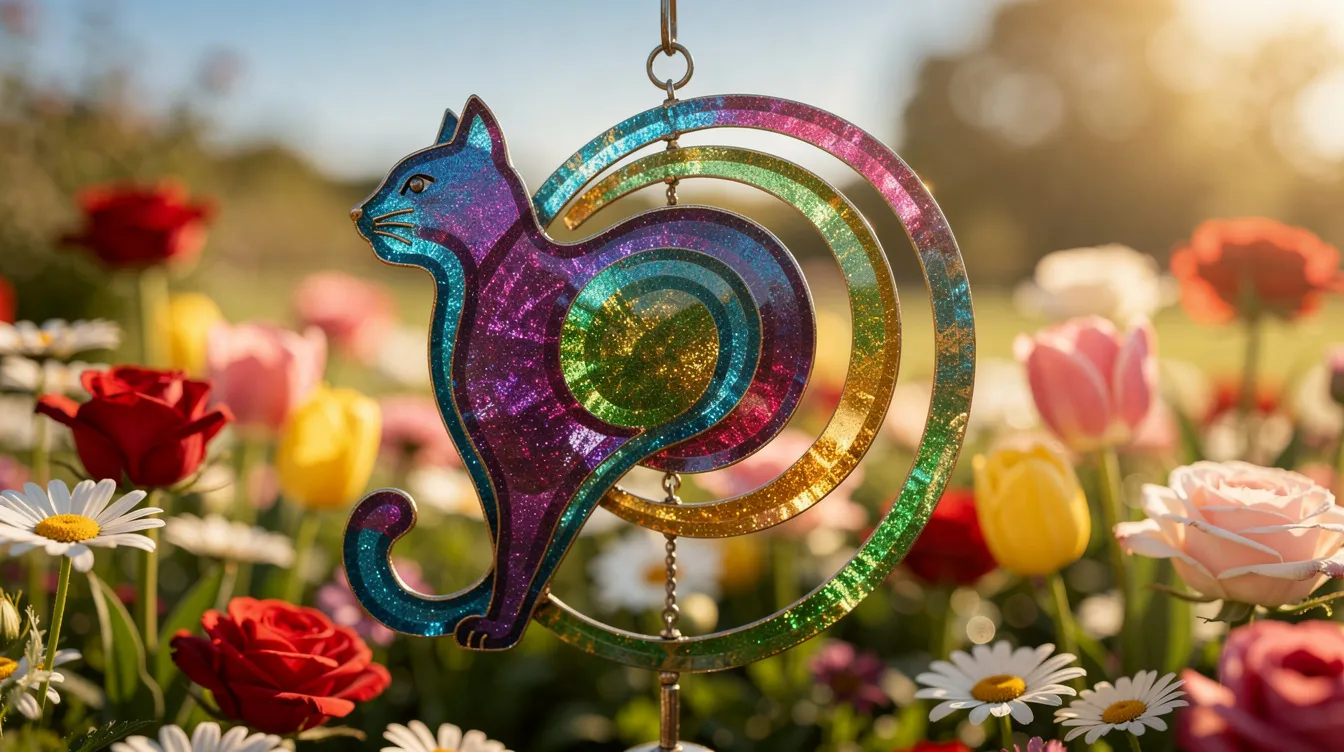
Outdoor cat wind spinners are decorative items featuring cat designs-silhouettes, 3D figures, or whimsical cat shapes-that spin in the wind. They're installed in gardens, yards, or on balcony railings, and they're meant for human enjoyment rather than direct cat play.
Typical materials include weather-resistant metal, coated fabrics, and durable plastics. Common sizes run around 12 to 13 inches in diameter for the topper, mounted on stakes of 20 inches or more. They add movement, color, and a playful cat theme to outdoor spaces. You'll find them in every color from black to bright multicolored designs, and they look especially nice catching afternoon lights in a garden setting.
One important safety note: position wind spinners well away from places where your cat might jump onto them or get tangled in moving parts. These are not toys, and their construction isn't designed to handle a curious cat's weight or teeth.
If you want to combine outdoor aesthetics with actual cat enrichment, pair a decorative wind spinner with a safe enclosed "catio" space or cat-safe plants. That way your cat gets supervised outdoor time and sensory stimulation while the spinner does its thing safely out of reach.
Care, Cleaning & Maintenance of Spinner Toys
A well-maintained spinner toy lasts longer, stays safer, and remains more appealing to your cat. Neglected toys accumulate dust, bacteria, and wear that can turn fun into a health risk.
Cleaning is straightforward. Wipe plastic and metal parts with a damp cloth and mild soap. For fur or feather lures, brush gently with a dry cloth or use a lint roller. Never soak electronic components-instead, wipe the housing and keep battery compartments dry. Avoid harsh chemicals or anything with a strong scent that might repel your cat. Some owners treat this the same way they handle website cookies-a quick, routine check that keeps everything running smoothly.
Manage wear and tear proactively. Replace worn feathers or lures as soon as they start fraying. Tighten any screws that have loosened from vigorous play. If you notice cracked housings or exposed mechanisms, retire the toy immediately. It's your right-and responsibility-to prioritize your cat's safety over extending a toy's life. All rights to decide when a toy is done belong to you, not the toy's price tag.
A practical schedule: do a quick visual check after each play session (ten seconds is enough), and give the toy a deeper clean once a week. Between sessions, store electronic spinners in a closed box or drawer to prevent unsupervised overnight play and to protect the mechanisms from dust.
Choosing the Right Cat Spinner: Budget, Space & Quality
Cat spinners range from simple, affordable manual toys under $15 to feature-rich electronic options at higher price points. Whatever your budget, there's a spinner that works.
When weighing price against durability, spending a bit more on a sturdy, well-reviewed spinner often saves money long-term. A cheap toy that breaks after two weeks costs more than a quality one that lasts six months. Before you add anything to your cart, check user reviews and look for details about build quality, not just flashy product tags or marketing claims.
Your home layout matters too. Small apartments call for compact base toys or vertical spinners that don't need much floor space. If your cat's play area is a window sill or a corner, a small spinning ball toy is ideal. Larger rooms can accommodate wider-swinging electronic spinners without risk of knocking things over. Measure your available space and compare it against the product's listed diameter before buying.
Prioritize safety certifications, solid user reviews, and clear product descriptions. When browsing online, check whether product pages let you see all the relevant details-stock availability, dimensions, materials, and return policies. Many shops let you adjust quantity before checkout, and shipping costs are often calculated based on your country.
For a budget-friendly entry point, a simple sisal spinning ball on a wood base delivers solid value. For a feature-rich option that combines unpredictable motion with quality construction, the Cidero Hunting Spinner Exercise Toy for Cats sits in a sweet spot-good build, engaging motion, and a fair price for what you get.
Frequently Asked Questions About Cat Spinners
Are electronic cat spinners safe to leave on while I'm away? It depends on the design. Enclosed track toys and solid-base spinners without loose parts are generally fine for solo play. But any spinner with strings, ribbons, or small detachable lures should only run under supervision. When in doubt, turn it off and store it before you leave.
How long should I let my cat play with a spinner each day? Most cats do best with 10 to 20 minutes of active play per session, once or twice daily. Watch for signs of overstimulation like panting or agitation, and let your cat set the pace. A good spinner session should end with your cat feeling satisfied, not exhausted.
What if my cat is scared of the toy? Start slow. Leave the spinner turned off in a familiar spot and let your cat investigate over several days. Gradually introduce gentle movement and pair it with treats. Mental stimulation should feel rewarding, not threatening-respect your cat's natural hunting instincts and rest cycles.
Can senior cats use spinning toys safely? Absolutely. Choose slower, quieter spinners and place them near spots your cat already frequents. Senior cats benefit from the gentle physical activity and mental engagement, even if sessions are shorter and less intense than a kitten's.
Do I really need more than one spinner? Start with one good-quality toy-something like the Cidero Hunting Spinner Exercise Toy for Cats-and observe your cat's response. You can add more later if your cat loses interest quickly, but rotating one or two quality spinners is usually more effective than stockpiling a dozen cheap ones. It's about fun and engagement, not quantity.
Conclusion: Giving Your Cat a Healthier, Happier Life with Spinners
Cat spinners combine exercise, mental stimulation, and instinct-satisfying play in one simple, accessible toy. Whether it's a manual feather spinner, a battery-operated Dizzy Spinner, or a feature-rich option like the Cidero Hunting Spinner, these toys address the core needs of indoor cats: movement, challenge, and the thrill of the chase.
Choosing a safe, well-built spinner and using it in short daily sessions can improve your cat's mood, reduce anxiety, and support long-term health. You don't need an elaborate setup-just a good toy, a few minutes of consistency, and attention to what makes your individual cat tick.
Take a few days to observe your cat's play style. Notice whether they prefer slow stalking or explosive pouncing, quiet toys or fast-moving ones. Then pick a spinner that matches. The Cidero Hunting Spinner Exercise Toy for Cats is a strong all-round choice if you want one toy that handles most play styles well. Whatever you choose, building a playful daily routine is one of the simplest ways to strengthen the bond between you and your cat-and give them the active, enriched life they deserve.


