

How to Get a Shy Cat to Use a Tunnel
If your cat bolts under the bed at every unexpected sound, the idea of them happily darting through a tunnel might seem far-fetched. It isn't. With the right tunnel and a patient introduction plan, even the most hesitant feline friend can learn to explore, play, and feel safe in a tunnel designed with their temperament in mind.
Quick answer: Are cat tunnels good for shy indoor cats?
Yes. Cat tunnels are good for shy indoor cats when they're quiet, stable, and introduced at the cat's own pace. A well-chosen tunnel gives an anxious cat something most hiding spots under furniture don't offer: a designated space that's actually designed for them, with visibility, escape routes, and room to move.
Here's why they work and what to look for:
Cat tunnels provide a safe, enclosed space where a nervous cat can observe the room without feeling exposed. This lets shy cats leave their usual hiding spot under the bed or behind the sofa while still feeling protected.
Cat tunnels provide mental stimulation for curious cats, even timid ones. The novelty of the tunnel itself-its texture, its darkness, the way it frames the room from inside-engages a cat's brain in ways that a flat bed or open room can't.
Cat tunnels satisfy natural hunting instincts in cats. Even a shy cat has prey drive. A tunnel mimics the kind of enclosed space a cat might use to stalk or ambush in the wild, which taps into instincts that reduce stress rather than increase it.
The best cat tunnel for shy cats usually has multiple entrances, no harsh crinkle noise, and is placed along normal "wall-hugging" routes the cat already uses. Using tunnels can reduce stress and anxiety in cats when the design removes common fear triggers.
Cidero & Co.'s Foldable Rainbow Starfish Cat Tunnel is a shy-cat-friendly foldable cat tunnel designed for indoor only cats-multi-entrance, quiet, and built to fold flat for easy storage when you need the space back.
The rest of this article walks you through a 7-day step-by-step introduction plan, placement tips, common mistakes, and how tunnels fit into a broader enrichment strategy for your cat's life.
Why shy or anxious cats avoid tunnels at first
Many shy indoor cats will ignore, circle, or actively avoid a new tunnel for days or even weeks. This is completely normal. In a survey of over 22,000 pet adopters, roughly 19% of cat parents reported fear or hiding as a primary behavioral issue in the first week after adoption. These cats aren't broken-they're cautious.
Common reasons a cat avoids a tunnel at first:
Loud crinkle sounds
Most cat tunnels use crinkly material for auditory stimulation, but cats hear far more sensitively than humans. A tunnel that sounds like a bag of chips every time the cat shifts weight can be terrifying in an enclosed space.
Strong chemical or factory smells
New pet supplies often carry residual manufacturing odors. Cats rely heavily on scent, and an unfamiliar chemical smell signals "unknown threat" rather than "safe space."
Unstable structure
A tunnel that rolls, collapses, or shifts when the cat steps near it undermines any sense of safety. If the cat can't predict what the tunnel will do, they won't enter.
Single entrance
A tunnel with one way in and one way out is a trap in a cat's mind. No natural predators hunt by running into dead ends, and cats know this instinctively.
Bad first experiences
If another cat ambushes from inside, a child grabs the tunnel while the cat is in it, or the owner uses the tunnel to corner the cat for a veterinarian visit, that negative association can persist for months.
Stress history
Indoor cats with a history of shelter stays, rehoming, or adoption during high-stress periods (like 2020-2023) may take extra time. A Maddie's Fund survey found that 87% of participants who owned or fostered at least one cat that hid for 24+ hours after arriving home.
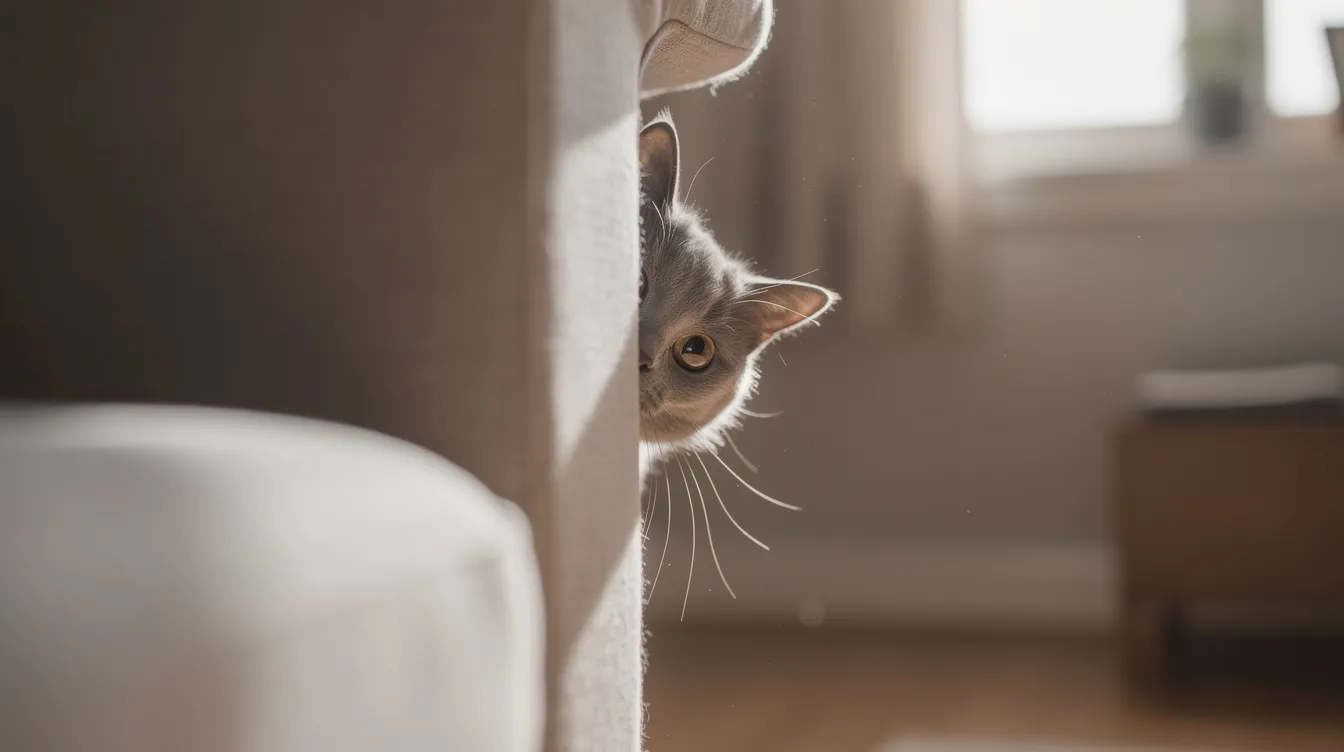
Watch for shy-cat body language near the tunnel: low tail, wide eyes, ears turned sideways, freezing at the entrance, or staying pressed against the room perimeter. These signals mean "not yet"-not "never."
What makes a cat tunnel "shy-cat friendly"?
Not all cat tunnels are good for shy cats, even if most cats love them. A tunnel that's perfect for a confident, high-energy kitty can be the worst possible choice for an anxious one. Here's what to look for:
Size that prevents getting stuck
Cat tunnels typically have a diameter of 9-10 inches, but tunnels should be wide enough for a cat to feel safe within them. For an average 10-12 lb indoor cat, aim for 10-11 inches of internal diameter so they can turn around and lie down comfortably. Larger cats (Maine Coons, Ragdolls) need bigger openings for comfort-look for 13-14 inches. Smaller cats and kittens do fine with standard sizing. Ensure tunnels have appropriate sizes to prevent cats getting stuck.
Sound level
Choose quieter tunnels without crinkle or crackle sounds for initial introductions. Soft fabric, fleece, or felt linings are far less startling than thin plastic film. A moderate, soft crinkle can work once the cat is comfortable, but aggressive noise is a deal-breaker for timid cats. Tunnels should utilize calming plush materials to avoid startling timid cats.
Stability and multiple entrances
Multiple exits in tunnels prevent shy cats from feeling trapped. Look for a tunnel with 3-4 openings and reinforced rings that hold their shape. A tunnel that doesn't roll or collapse lets the cat predict what will happen when they step inside. Design elements like peek-a-boo windows can also help cats feel secure while observing.
Materials and safety
Collapsible tunnels like peek-a-boo tunnels are made of nylon or polyester. Durable materials like heavy-duty nylon resist scratching from anxious claws. Choose non-toxic materials to prevent ingestion hazards-look for pet-safe dyes and reinforced wire encased in fabric so nothing sharp is exposed. Soft, plush fabrics offer warmth and a sense of security. Plush tunnels with a polyester lining give a gentle, quiet surface that encourages a cat to sleep or rest inside.
Enrichment value
A well-designed tunnel supports environmental enrichment, mental stimulation, and physical exercise-the three pillars an indoor cat needs daily. Tunnels for shy cats should provide enclosed safety while also giving the cat room to explore, dart, and hunt. Cat tunnels provide a space for cats to run and jump, even in short bursts.
The Foldable Rainbow Starfish Cat Tunnel checks these boxes: it's foldable for easy storage, has multiple entrances, and is designed specifically for indoor cats. It's not the only option, but it's a solid starting point for cat parents looking for shy-cat-specific design.
7-Day step-by-step plan to introduce a cat tunnel to a shy cat
This plan works best during a calm, quiet week-not during house guests, renovations, or holiday chaos. Each day builds on the previous one. If your cat needs more time on any step, simply repeat that day before moving on.
Day 1: Let your cat observe the tunnel
Place the tunnel flat and fully open in a familiar room your cat already considers a safe space-a bedroom or quiet office works well. Position it along a wall, not in the center of the room. Don't interact with the tunnel at all. Let your cat spend time noticing it exists, sniffing from across the room if they choose.
Day 2: Add familiar scents
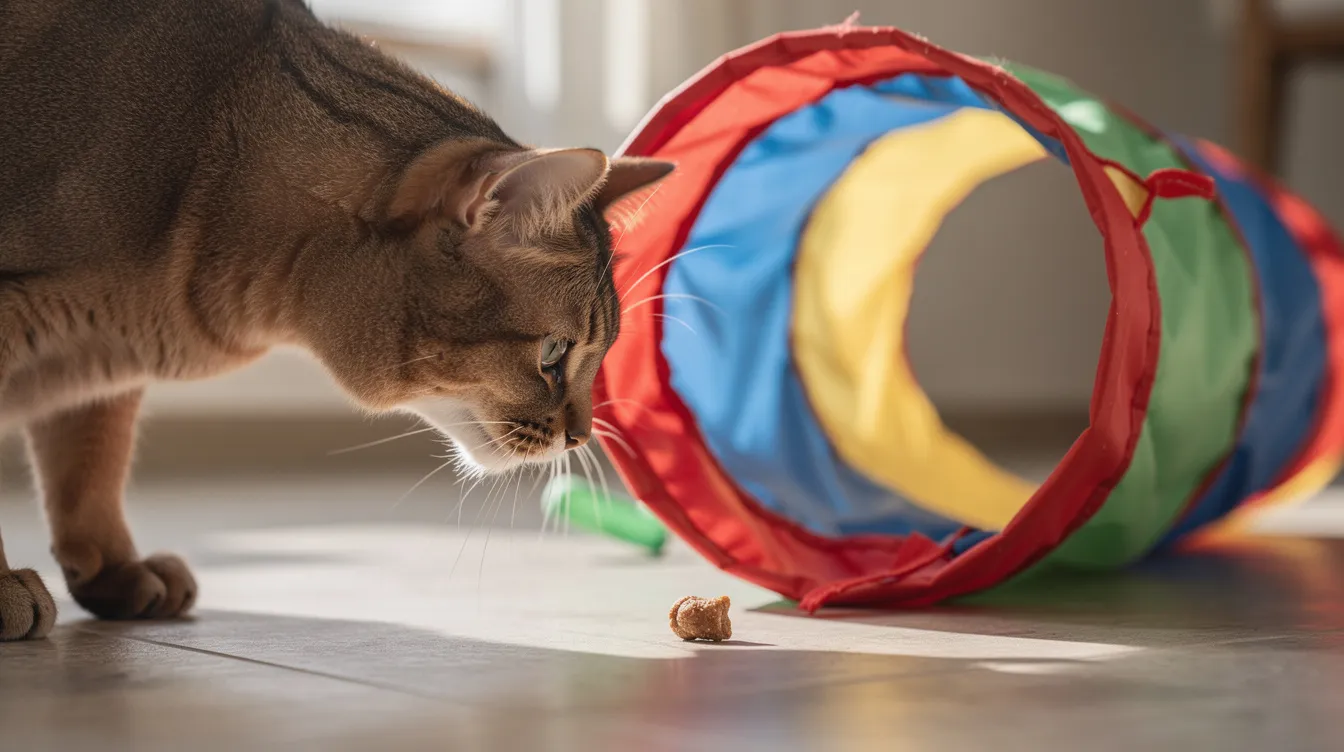
Drape a soft blanket or towel that already carries your cat's scent over one end of the tunnel. Toss a few small, high-value treats near the opening-not inside, just nearby. You're building a positive association between the tunnel's presence and good things happening.
Day 3: Reward curiosity
Toss treats just inside the first few inches of the tunnel. Never push or lure the cat all the way through. If they reach a paw in and grab a treat, keep sessions 5-10 minutes, then walk away. Cat tunnels stimulate problem-solving skills in cats, and even figuring out how to reach a treat from the edge counts.
Day 4: Introduce gentle play
Bring out a wand toy and play around the outside of the tunnel first. Then briefly lead the toy through the tunnel and back out again. If the cat follows partway, let them. If they don't, keep playing outside. Tunnels encourage exploration and sensory enrichment for cats when the tunnel becomes part of the play landscape rather than the sole focus. Tunnels allow cats to practice their natural hunting instincts during these sessions.
Day 5: Connect the tunnel to a valued route
Move the tunnel slightly along a wall route toward a valued resource-the path to a favorite window perch, a water bowl, or the litter box area. This shows the cat the tunnel is a normal part of the environment, not an isolated object. Cat tunnels encourage physical activity and exercise simply by existing along a route the cat already walks, and guides like the ultimate guide to cat tunnels can help you think through how tunnels fit into your cat's daily routes.
Day 6: Encourage short bursts of play
Encourage short bursts of interactive play through the tunnel-two or three quick dashes using treats or toys inside the tunnel. End each session while the cat is still curious and confident, not after they've become overwhelmed. This is where mental stimulation and self-directed play start to click. Cats play through with increasing speed as confidence builds.
Day 7: Let the tunnel become their space
Leave the tunnel out while you work in another room. Check in occasionally, but don't prompt your cat to use it. Note whether they choose to explore, rest inside, or dart through on their own. This is the beginning of independence-the tunnel becomes their private space, not something you orchestrate.
Keep a simple progress log: jot down how close your cat gets each day, whether they sniffed, entered partway, or went fully through. Small steps matter.
Best placement: where to put a tunnel for a shy indoor cat
Where you put the tunnel matters just as much as which tunnel you buy. A perfectly designed tunnel in the wrong spot will collect dust.
Start in the sanctuary room
Your cat's safest room-usually a bedroom or home office-is where the tunnel should live first. Avoid the busy living room or kitchen during the introduction phase.
Align it along walls or between furniture
Tunnels can be placed near walls to prevent ambushes from behind. Positioning a tunnel between the sofa and a bookcase, or along a bedroom wall, creates a protected route that connects key resources like the litter box, food, and window perches.
Keep exits visible
Make sure at least two openings are clearly visible from wherever your cat typically sits or rests. If a shy cat can see an exit, they're more likely to go in. Most tunnels with three or more entrances make this easy.
Avoid noisy zones
Don't place the tunnel directly in front of the dishwasher, washing machine, central A/C vents, or in narrow hallways where humans regularly step over them. Sudden noise or foot traffic near a tunnel entrance resets trust.
Multi-cat adjustment
In homes with multiple cats, consider placing a second tunnel or hideout on the opposite side of the room. This reduces the chance that a bolder cat guards a single tunnel entrance, turning the tunnel from a safe space into an ambush point.
How to use treats, catnip, and wand toys safely with tunnels
Pairing the tunnel with rewards turns it from "strange object" into a reliable source of good things. But there are a few rules that keep fun from becoming a safety problem.
Treats
Use pea-sized pieces tossed just inside the tunnel opening. Keep total extra calories modest-indoor only cats are already prone to weight gain, and you want the tunnel to encourage a healthy weight over time, not add to the problem. Scatter treats, don't pile them.
Catnip or silvervine
Sprinkle a small pinch on a mat at the tunnel entrance, not coating the entire interior. Some shy cats actually become more anxious on catnip and may do better with valerian root or no herbs at all. Watch your cat's reaction and adjust.
Wand toy safety
Keep strings short during tunnel play. Store the wand toy away from the tunnel between sessions, and never leave long cords or elastic unattended in or around tunnels. Quiet features like dangling toys reduce startling noise for shy cats, but only when supervised.
Session structure
Active play sessions should last at least 10-15 minutes daily. Start outside the tunnel, move the toy briefly through, then let the cat "win" the prey and rest inside if they choose. End sessions while the cat is still engaged rather than exhausted.
Pair with other enrichment
Tunnels aren't the only tool in your kit. Explore interactive cat toys for bored indoor cats to find a ball toy, a chase toy, or other options that complement tunnel play and provide exercise variety.
Mistakes to avoid when helping a shy cat use a tunnel
The most common problems come from moving too fast or accidentally turning the tunnel into something the cat associates with stress rather than comfort.
Never force entry
Don't push, place, or carry your cat into the tunnel. Don't block exits to "make them stay." And never use the tunnel to corner them for medicine, nail trims, or carrier time. The tunnel must remain a space the cat chooses.
No rough play or ambushing
Ask other pet owners in the house-including children-not to jump on, shake, or grab the tunnel while the cat is inside. This is especially important for kittens who might already be overstimulated.
Swap noisy tunnels instead of blaming the cat
If your cat startles every time they move inside a tunnel, the crinkly material might be too loud. Consider a quieter option rather than assuming the cat "doesn't like tunnels." Most cat tunnels can be replaced without much cost.
Supervise toys inside tunnels
Supervise initial play to avoid tangling risks. Leaving long dangling toys attached to tunnels unsupervised creates rare but serious entanglement hazards, especially overnight or while you're at work.
Don't relocate too often
Moving the tunnel daily across the house can reset trust entirely. Rotate tunnels and locations slowly-once every week or two-so your nervous cat has time to accept each placement as part of their territory.
When a foldable crinkle tunnel is actually the best choice
Some cat parents hear "shy cat" and assume they need the quietest, most padded tunnel available. That's often true at first. But once a cat builds confidence, a slightly crinkly, structured tunnel can actually accelerate enrichment. Cats love the auditory feedback of a moderate crinkle-it mimics the rustle of prey in leaves, which is a cat with emerging confidence.
When it works well
Cats that are shy but food-motivated often respond to crinkle because the sound becomes paired with treat rewards. Kittens in small apartments benefit from the added sensory layer. Senior cats who like to hear where their body is as they move through an enclosed space sometimes prefer gentle crinkle over dead silence.
What to look for
Moderate crinkle (not plastic-bag loud), sturdy rings that prevent the tunnel from collapsing, and multiple entrances for quick exits. Durable materials matter-a tunnel that falls apart after a week teaches a cat nothing good.
Why foldable matters
If you live in a studio or small house where the tunnel might take up too much space during dinner parties or guest visits, a foldable design lets you store the tunnel in a closet and return it to the cat's room without disruption. Modular tunnels allow customization for shy cats' confidence-you can start with a shorter configuration and expand later, especially if you choose one of the best foldable cat tunnels for indoor cats.
Product recommendation. The Foldable Rainbow Starfish Cat Tunnel is a strong best foldable cat tunnel option for shy cats: multiple exits, foldable frame, and designed with indoor cats in mind. For a deeper comparison of foldable options, check out the guide on the best foldable cat tunnels for indoor cats.
Supporting multi-cat households with shy cats and tunnels
Cat tunnels can either reduce tension or increase ambush behavior in homes with other cats, depending entirely on how you set them up. The goal is giving every cat-especially the shy one-options.
Provide at least two tunnels or hideouts
In homes with multiple cats. If you have three or more, a single tunnel becomes a resource that a bolder cat can guard. Tunnels offer peace when there's no competition over them. Explore multi-cat enrichment strategies for more ideas beyond tunnels.
Don't block resources
Avoid placing a tunnel directly in front of a single litter box or food bowl where a confident cat can guard the exit. The tunnel should create routes, not bottlenecks.
Schedule supervised play
For pairs of cats that already have positive social interaction, short supervised tunnel play sessions can build good associations. Toss treats through for both cats, or use a wand toy that leads both through in sequence.
Reduce ambush angles
If ambushes start, temporarily shorten the tunnel or angle it so cats can see through both ends. A tunnel where one cat can hide and pounce without the other seeing them coming increases fear rather than reducing it.
How tunnels fit into a full enrichment plan for indoor-only cats
A tunnel is one piece of a broader environmental enrichment toolkit. It won't solve everything on its own, but paired with other tools, tunnels provide consistent value across a cat's day.
Layer enrichment types
Tunnels pair well with interactive cat toys like Cidero & Co.'s interactive lamps, remote-control chase toys, slow feeders, and plush comfort items. Each tool targets a different need: hunt, chase, forage, rest, and the best cat tunnels for indoor cats that get bored fast are designed to support that full mix of needs.
Build a daily rhythm
A morning wand toy session around the tunnel, afternoon self-play time with a ball toy or tunnel exploration, and a short evening play and treat hunt in and around the tunnel creates structure. Cat tunnels provide mental stimulation for indoor cats throughout the day. Tunnels help cats exercise and maintain a healthy weight over time. Regular exercise helps prevent obesity in cats, and engaging in play can improve a cat's cardiovascular health.
Tunnels work while you're away
Cat tunnels provide exercise and a hiding spot even when you're not home-they support both mental stimulation and gentle physical exercise, which is critical for cats left alone during work hours. For more ideas on this, read about keeping indoor cats entertained while you're at work without more screen time.
Tunnels vs. confident cat setups
If you're wondering whether your shy cat's tunnel setup should look different from a high-energy cat's, it should.
FAQs about shy cats and cat tunnels
Quick answers to the questions cat parents ask most often:
Are cat tunnels good for shy cats?
Yes. Tunnels provide environmental enrichment, mental stimulation, and a sense of safety that helps anxious cats explore without exposure. Using tunnels can help alleviate stress and anxiety in cats when the tunnel is quiet, stable, and introduced gradually.
How long will it take my anxious cat to use a tunnel?
Realistically, anywhere from a few days to several weeks. Cats with deeper anxiety histories may need a month or more. Going slowly is normal-rushing creates setbacks.
How many entrances should a tunnel have for a nervous cat?
At least two, ideally three or four. Multiple entrances let a shy cat feel they always have an escape route, which is the single biggest factor in whether they'll enter at all.
Will tunnels increase bullying or ambush behavior in my house?
They can if you only have one tunnel in a multi-cat home, or if it's placed where a confident cat can guard the exit. Adding a second tunnel and adjusting angles typically solves this. If ambushes persist, remove the tunnel temporarily and reintroduce it in a different room.
Is a tunnel safe for senior or arthritic cats?
Yes, with the right choice. Look for soft, low-profile tunnels with minimal rim height so a senior cat doesn't have to jump or climb to enter. Most tunnels with plush linings and wide entrances work well. For more options tailored to older cats, see our guide on senior indoor cat enrichment that doesn't require athletic play.
Can I leave the tunnel out all day?
Absolutely. Once your cat has accepted the tunnel, leaving it out lets them use it on their own terms-to nap, hide, or explore whenever they want. Just remove any attached wand toys or strings before leaving the house.
Soft conclusion and next steps
With the right tunnel, gentle placement, and a patient 7-day plan, even very shy indoor cats can learn to use a tunnel as a safe, enriching part of their daily routine. The key is respecting your cat's pace. A cat that sniffs the entrance on Day 3 is making real progress, even if they don't run through until Day 14.
Trust your cat's timeline
Observe their individual pace and adjust the plan accordingly. Slow progress is still progress, and every small step-a sniff, a paw inside, a brief rest at the entrance-builds toward full confidence.
Keep learning
Explore Cidero & Co.'s cat tunnel guide and browse related enrichment articles like best cat tunnels for indoor cats that get bored fast to prevent boredom and keep your kitty engaged long-term.
Ready to start?
The Foldable Rainbow Starfish Cat Tunnel is a calm, foldable option designed for shy, indoor-only cats-quiet enough for Day 1, enriching enough for Day 100. Your cat doesn't need to be brave to use it. They just need the right tunnel and a patient human on the other side.


