

Are Cat Kicker Toys Safe? 6 Safety Checks Before You Buy
Most cat kicker toys are safe for healthy cats when used as intended. The short answer is reassuring, but it comes with a caveat: no cat toy is ever 100% risk-free, and the majority of safety problems stem from damaged toys rather than the toy type itself.
Kicker toys are designed to let cats wrestle, grab, and kick, channeling natural hunting instincts into something that isn't your ankle or your couch. Catnip kicker toys promote mental stimulation and reduce boredom, which makes them a genuinely useful enrichment tool for indoor cats. But safety for kicker toys depends on their construction and materials, and that means owners need to stay involved.
If you choose the right size, inspect toys regularly, and understand your cat's play style, a kicker toy is generally as safe as any other plush cat toy on the market. Below, we'll walk through six specific safety checks every cat parent can use before buying or using any kicker cat toy.
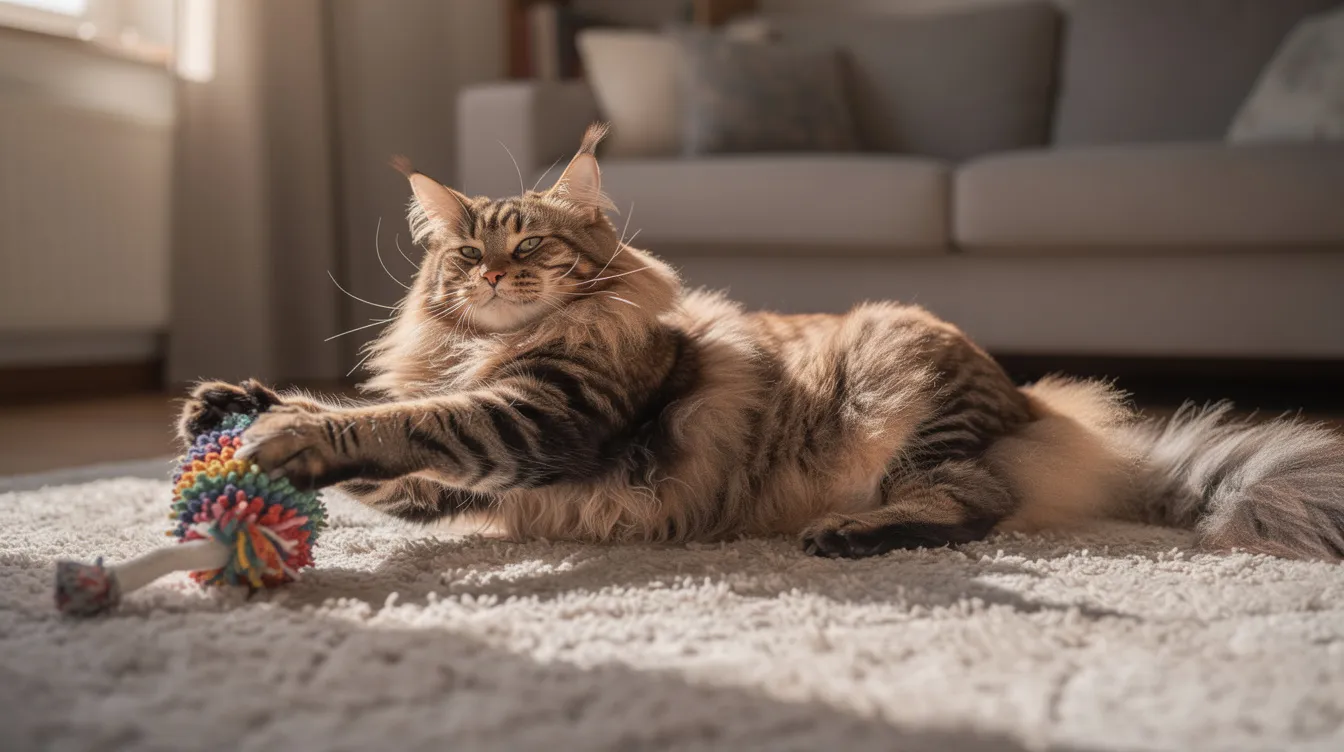
Are Cat Kicker Toys Safe? (The Short Answer First)
Cat kicker toys are designed for natural bunny kicking behavior, where your feline friend grabs with their front paws and delivers rapid-fire kicks with their hind legs. It's instinctive, it's satisfying for them, and it's a great source of enrichment and entertainment for indoor cats who don't get to hunt live prey.
Veterinary behaviorists and general practitioners typically recommend interactive play and enrichment, including kicker toys, to reduce stress and behavioral issues in indoor cats. Research published in the Journal of Veterinary Behavior found that indoor cats with more interactive toys and longer play sessions showed fewer behavior problems like aggression and inappropriate elimination.
That said, kicker toys can provide both physical exercise and mental enrichment only when they're in good shape. Poorly made kicker toys can pose risks such as choking and intestinal blockages if seams tear, parts break off, or stuffing gets swallowed. The fix is straightforward: supervise aggressive chewers, inspect toys before play, and replace anything that's falling apart.
Understanding Kicker Toys & Bunny Kicking Instincts
A kicker toy is an elongated plush or canvas toy, typically around 7 to 15 inches long, that cats grab with their front paws and kick with their back legs. Think of it as a wrestling partner built specifically for your kitty.
Kicker toys are designed for cats to hold with front paws and kick, mimicking the way cats subdue prey in the wild. Your cat rolls to their side, hugs the toy, and delivers powerful kicks as if taking down a rabbit or bird. Kicker toys mimic a cat's natural wrestling and killing instincts, and even though it can look a little intense, this is perfectly normal play behavior.
Modern kicking toys, including popular options like kitty kick stix style toys and fish-shaped kickers, channel this energy into an appropriate object. Many kicker toys are filled with catnip or silvervine to capture attention and encourage play. Some kicker toys feature crinkly fabric for added engagement, which adds a sensory layer that many cats love. Most cats enjoy kicker toys filled with catnip or silvervine, though about one-third of cats show little response to catnip specifically. A comparative study of 100 domestic cats found that approximately 79% responded to silvervine even when catnip didn't excite them.
Kicker toys can provide hours of active play for cats and help engage a cat's natural hunting instincts. But construction quality and regular inspection are what really determine whether the fun stays safe long-term.
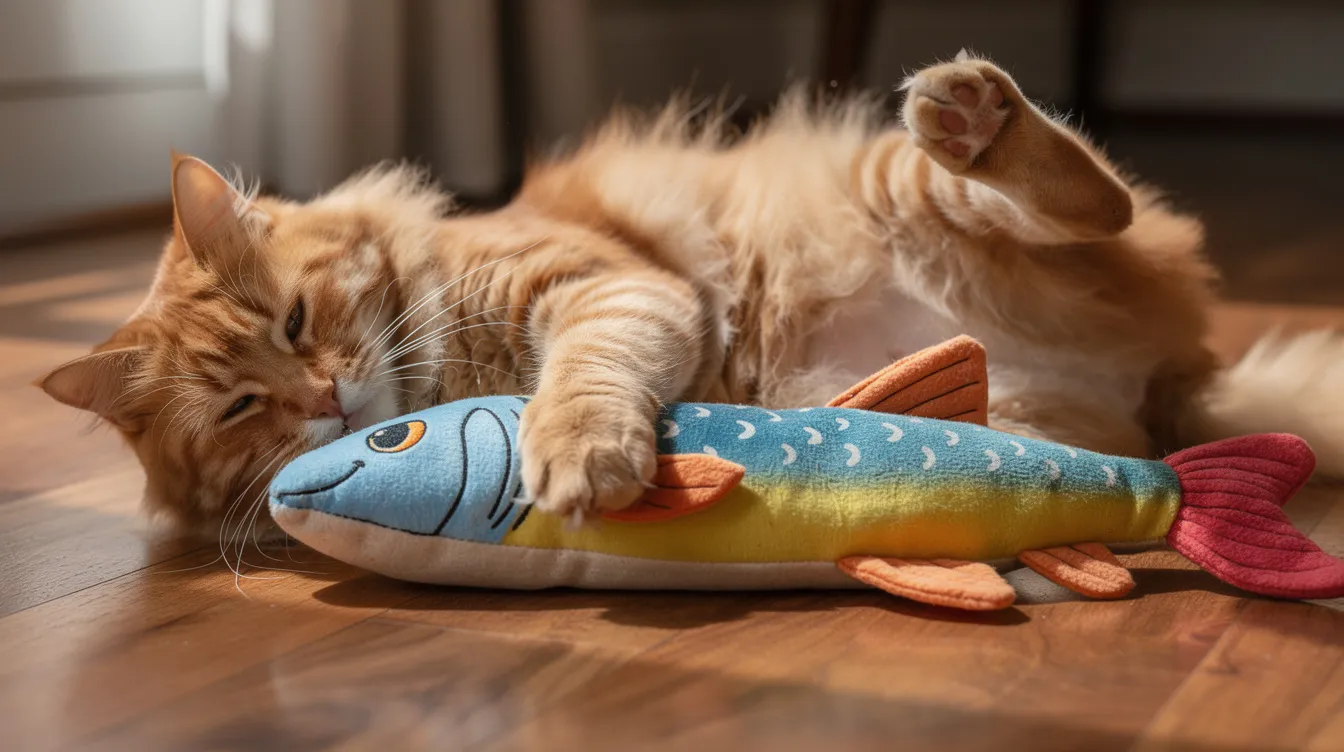
1. Check the Seams: Your First Safety Line
Seams are almost always the first point of failure in a well-loved kicker toy. When cats play, the stress is multidirectional: front paws pull, back claws dig in, and the whole body twists. That's a lot of force on stitching.
Here's what to look for:
- Loose stitching where thread loops are visible or pulling away from the fabric
- Small holes forming along the edges or at the ends of the toy
- Fraying fabric near seams, especially where your cat tends to bite or grab
- Stretched or gapped seams that separate slightly when you pull both sides
The main safety concern isn't usually the stuffing itself. It's a torn toy that gives your cat direct access to large clumps of stuffing or fabric they might chew and swallow. Check kicker toys for reinforced or double stitched seams to enhance safety before you purchase, and do a quick "seam check" before every play session.
A simple test: bend the kicker toy in half, look at the ends, and gently tug both sides. If any stitches separate or you can see batting inside, remove that toy from play immediately and either repair it with sturdy stitching or replace it.
Durable kicker toys are often made from tightly woven fabric, which holds stitching better under stress than loosely woven plush. If your cat tends to shred things quickly, look for toys with reinforced construction from the start.
2. Watch for Loose Parts and Decorations
Any small, detachable part can become a choking or ingestion hazard during rough play, especially when cats bite and tug with their teeth. This is one area where cute design choices can create real problems.
Watch for these specific hazards:
- Plastic or glass eyes and noses
- Bells on cords or wires
- Buttons, ribbons, and leather strips
- Feathers, metal charms, or dangling accessories
Embroidered or printed features are generally safer than glued or riveted parts because there's nothing to pop off when your cat bites or bunny kicks with full force. Avoid kicker toys with small parts that may be chewed off and swallowed. Select toys that do not have long strings or loose fibers to avoid ingestion hazards.
Before giving any new toy to your cat, run your fingers along it and gently pull on anything that sticks out. If something wiggles or feels weak, skip that toy entirely. All components of kicker toys should be safe for cats, and manufacturing defects can create loose parts even on brand-new items straight out of the package.
At Cidero & Co., our design choices prioritize securely attached, low-profile features over flashy add-ons that can break off mid-play. Some cats specifically target ribbons and strings, so minimalist designs are often the safest long-term choice for those owners.
3. Is the Filling Safe? What's Really Inside
Most modern plush cat toys, including kicker toys, use polyester fiberfill, fabric scraps, or a mix of stuffing and catnip inside. These materials are generally considered non-toxic, but they can still cause trouble if swallowed in quantity.
The primary risk is mechanical, not chemical. Large pieces of stuffing or fabric can form a blockage in the intestines, which may require surgery. A veterinary case report documented acute gastric obstruction in a 3-year-old cat caused by toy ingestion that required endoscopic removal. These cases are uncommon but serious.
Small, stray fibers typically pass through the digestive tract in healthy cats. Repeated or heavy ingestion is the real concern. Opt for kicker toys filled with safe polyfill and organic catnip, and check product descriptions for clear labeling like "polyester fiberfill," "100% catnip inside," or "refillable pouch." Toxic dyes and unsafe materials can be found in low-cost imported toys, so vague or unlisted material descriptions are a red flag.
Kicker toys can have refillable pouches for catnip or silvervine, which lets you empty and inspect the inside periodically. Catnip toys are made with pet-safe materials when sourced from reputable brands, and catnip itself belongs to the mint family, an herbaceous plant that's non-toxic and non-addictive at typical exposure levels.
Store loose catnip, silvervine powder, and stuffing materials securely away from curious cats between play sessions.
What If My Cat Ate the Stuffing? (When to Call the Vet)
This is the moment every cat parent dreads: you walk into the room and find a ripped-open kicker toy with stuffing scattered everywhere, and some of it is clearly missing.
First, stay calm. Swallowing a tiny amount, like a pea-sized tuft of polyester, doesn't always cause problems. But there's no completely "safe" quantity of foreign material in a cat's body, and you shouldn't assume everything will pass on its own.
Monitor at home if:
- Your cat ate a very small piece
- They're breathing normally
- They're moving comfortably, eating, drinking, and using the litter box
- Keep a close watch over the next 24–48 hours
Contact your veterinarian promptly if you notice:
- Vomiting or repeated gagging and retching
- Drooling or pawing at the mouth
- Loss of appetite or refusal to drink
- Hiding, lethargy, or unusual stillness
- Obvious abdominal pain or sensitivity when touched
- Inability to keep food or water down
Even if your cat seems fine, call your vet if you suspect a large piece of stuffing or fabric went missing. Keep the damaged toy and, if possible, show photos or bring it to the vet so they can estimate how much material might be involved.
Many cats who get prompt care after ingesting fabric make a full recovery. Treat it as a cue to upgrade your toy checks going forward, not a reason to stop providing enrichment altogether.
4. Choose the Right Size Kicker Toy
Size is a big part of safety. A kicker toy that's too small can become a choking hazard, while one that's appropriately long lays flat against your cat's body and lets them wrestle more safely. Kicker toys should be large enough to prevent swallowing.
Here's a practical guideline: the toy should be long enough for your cat to hug it with both front paws while their back legs can fully extend and kick. Kicker toys are typically around 7 to 15 inches long, with the 10-to-15-inch range working well for most adult cats. Kittens do better with shorter, lighter versions that are suitable for their smaller frames.
Very small, skinny toys work great for batting and pouncing but shouldn't double as full kicker toys for powerful bunny kicking. On the other end, oversized toys like extra-long kick sticks or jumbo fish can be excellent for large breeds or especially excited cats, provided the fabric is durable. Choose kicker toys made from durable materials like heavy cotton or canvas for cats who play hard.
Our Jumbo Goldfish Kicker Plush is one example of a long, huggable toy designed for full-body wrestling. It's not inherently safer because it's ours, but the length supports natural posture during play, which matters.
When shopping, read sizing details carefully and check customer photos or review reviews to judge how big the toy actually looks next to real cats before you purchase.

5. Replace Worn Toys Before They Become Risky
Retiring a favorite toy can feel sad, especially when your cat lays next to it at night. But replacing worn cat toys is one of the simplest ways to save your cat from a preventable trip to the vet. Regularly inspect kicker toys for wear and replace them if damaged.
Replace a kicker toy if you notice:
- Open seams or stitching pulling apart
- Stuffing or catnip visible through the fabric
- Fabric worn thin, balding, or showing the batting beneath
- Large holes from biting or clawing
- Missing decorations that may have been swallowed
- Strong or musty smell even after washing
- Crusty buildup from saliva that won't come clean
Strong odors can signal bacteria growth or trapped moisture, which is especially important for toys that get rubbed, licked, or occasionally kicked into the water bowl.
Build a simple "Monthly Toy Check" habit: once a month, gather your cat's plushes and kicker toys, inspect each one, and create three piles: keep, wash, and retire. In multi-cat households, toys wear out faster, so stock up and check more frequently.
Take a quick photo of well-loved but unsafe toys before throwing them away. This helps you search for similar shapes or textures your cats loved when it's time to refill your toy rotation. At Cidero & Co., we design enrichment toys to be durable, but we're honest: no plush kicker toy is indestructible, and scheduled replacement is part of safe cat care.
6. Know Your Cat's Play Style and Chewing Habits
Safety isn't just about the toy. It's about the cat using it. Different cats play differently, and that changes the risk profile of the same product.
Common play profiles:
|
Play Style |
Behavior |
Toy Risk Level |
|---|---|---|
|
Gentle cuddler |
Licks, hugs, and kneads the toy |
Low - periodic checks sufficient |
|
Energetic kicker |
Strong bunny kicks but rarely tears fabric |
Moderate - inspect weekly |
|
Stealthy hunter |
Pounces, shakes, and carries "prey" around the room |
Moderate - watch for seam stress |
|
Aggressive chewer |
Bites through plush quickly, shreds fabric |
High - supervise and put toy away after |
If you frequently find threads, fabric strips, or stuffing near your cat's toys, that's a clear sign you should supervise kicker sessions and put the toy away afterward. Supervised play is recommended for new kicker toys to ensure safety, especially during the first few sessions.
Some cats redirect stress into chewing. For those pets, rotating in alternative enrichment like puzzle feeders, lick bowls, or tunnel toys can reduce the urge to destroy plush toys and combat boredom from multiple angles.
Observe your cat over several play sessions with any new kicker toy before leaving it out unsupervised. Cats loved these toys in countless reviews, but your own cat's style matters most. If your cat tends to hunt and grab aggressively, look for a sturdy, durable kicker toy made from tough canvas or denim rather than soft plush alone.
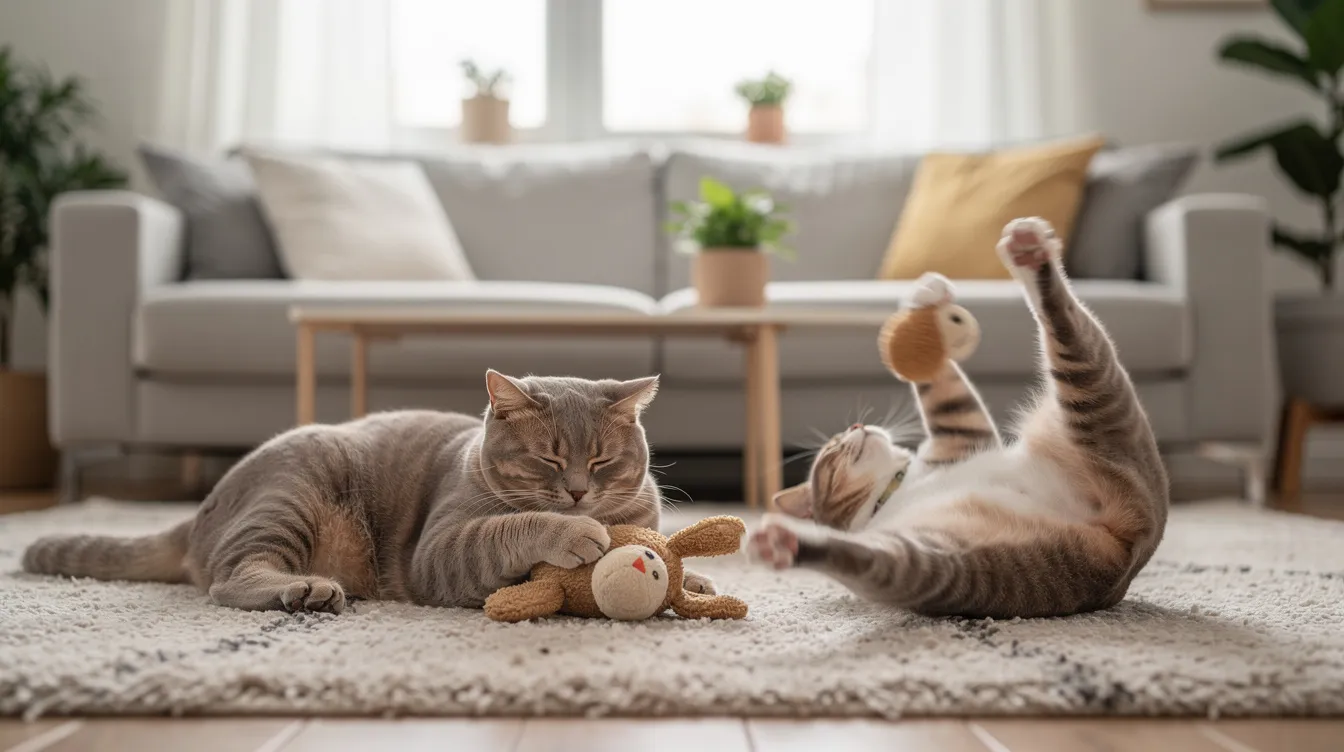
How to Keep Plush Cat Toys Safe for Longer
Consistent care can significantly extend a kicker toy's safe lifespan, which means less waste and more joy for your cat.
Pre-play routine: Give the toy a quick squeeze and visual once-over for tearing, exposed catnip inside, or any loose parts before handing it over.
Rotate your toys: Keep a few kicker toys in a drawer and swap them out every few days. This maintains novelty, reduces constant wear on any single toy, and gives you a chance to inspect each one between uses. It's also a proven way to keep indoor cats entertained even when you're not home.
Cleaning tips:
- Follow the manufacturer's washing instructions (gentle cold wash in a garment bag or surface wipe-down)
- Fully air-dry before returning the toy to your cat to prevent mildew
- Trim loose threads with scissors instead of pulling them, which can unravel sewn seams quickly
Store damaged toys out of reach in a "repair" basket. For refillable kicker cat toys, empty old catnip and refill with fresh catnip or silvervine a few times a year. The catnip scent fades over time, and refreshing it keeps your cat showing interest without overpacking the toy. Many cats tend to lose interest in a toy once the smell fades, so a refill can make an old favorite feel brand new.
Handmade catnip toys are stitched to ensure safety for cats, but even the most carefully constructed toy needs ongoing attention from its owners.
Our Approach to Safe, Instinct-Driven Kicker Toys at Cidero & Co.
At Cidero & Co., we don't believe in calling any plush toy "indestructible." Instead, we focus on thoughtful design that supports safer, more satisfying play for your cat.
Our Jumbo Goldfish Kicker Plush was built around how indoor cats actually play: rolling, hugging, kicking, and biting. The soft beibei velvet is gentle on paws and faces, while the elongated body gives cats of all ages room for full-body bunny kicking. It's the kind of cute, quality design our brand is known for.
We build, test, and observe how multiple cats interact with each design before anything is sold, watching for weak points like seam stress and fabric thinning.
Even with this focus, our guidance remains the same: inspect toys regularly, supervise aggressive chewers, and replace items once they're damaged. Our broader line of enrichment toys, from interactive lamps to tunnels and slow feeders, is designed to support healthy mental stimulation in modern indoor lifestyles. Every item we make exists to satisfy your cat's instincts while looking great in your space. Lol, even the dog might be jealous.
Frequently Asked Questions About Cat Kicker Toy Safety
Are kicker toys safe for kittens? Soft, appropriately sized kicker toys can be fun for kittens, but choose smaller, lighter designs without loose parts. Kittens explore by chewing, so supervise closely and use filled toys with secure seams.
Can cats sleep with kicker toys? Many cats love to cuddle their favorite kicker toy, and this is usually fine if the toy is intact. Remove heavily chewed toys from sleeping areas, though. A toy in good shape is safe company.
Is polyester filling safe for cats? Polyester fiberfill is widely used in stuffed cat toys and isn't inherently toxic. The danger comes when it's swallowed in large pieces that can cause intestinal blockages, which is why seam checks matter so much.
My cat ripped open a toy. Should I throw it away? Any toy with exposed stuffing or a large tear should be taken away immediately. You can repair it with strong stitching if you're confident in the fix, but never leave a ripped toy out unattended, not even "just for a minute."
How often should I replace plush cat toys? Inspect monthly and replace as soon as structural damage appears. For a heavily used favorite, that often means every two to three months. Light-use toys in stock rotation can last longer.
Can cats play with kicker toys unsupervised? Many cats safely enjoy plush kickers on their own. However, aggressive chewers, kittens, and cats with a history of eating non-food items should only use them under supervision, with toys put away afterward.
Where to Learn More About Bunny Kicking and Choosing Kicker Toys
If you're curious why your cat bunny kicks toys (or sometimes your hands), our dedicated guide on why cats bunny kick toys covers hunting instincts, play aggression, and the red flags to watch for.
For cat parents actively shopping, our kicker cat toy guide can help you match toys to your cat's age, temperament, and home size. And if you want to see materials, care instructions, and customer photos up close, check out the Jumbo Goldfish Kicker Plush product page.
With a few simple checks on seams, size, fillings, and your cat's play style, cat kicker toys can be a safe, much-loved part of a modern indoor cat's enrichment toolkit. A little attention goes a long way toward keeping play both fun and worry-free.


