

Do Catnip Bubbles Work (and Are They Safe for Cats)? What Owners Need to Know
Yes, catnip bubbles can work - but not for every cat. Whether your kitty goes crazy chasing them or couldn't care less depends on genetics, formulation quality, and individual play style. The bigger question most people have is whether they're safe, and the answer comes down to what's actually in the bottle. Here's what you need to know before you add catnip bubbles to your cart.
Quick Answer: Do Catnip Bubbles Work and Are They Safe?
Catnip bubbles can trigger the same excited response as dried catnip - sniffing, stalking, chasing, pouncing - in cats that are genetically sensitive to catnip. They're a short, interactive enrichment activity for indoor cats, not an all-day toy or a replacement for your cat's regular catnip toys.
The short answer: Effectiveness depends on your cat's sensitivity to catnip and the quality of the catnip infused bubbles you choose. Safety depends on using a non toxic, cat-specific formula and avoiding direct eye and mouth contact. Always supervise play.
Cidero & Co. designs safe, thoughtfully crafted enrichment tools for indoor cats. Catnip bubbles are one low-commitment option among a broader collection of interactive products built to keep your cat mentally and physically engaged at home.
Do Catnip Bubbles Actually Work?
Catnip bubbles can absolutely trigger the typical catnip response for many cats. Bubbles combine the visual stimulation of motion with the scent of catnip, which means they engage two senses at once. Some cats will chase every bubble across the room. Others will just watch from a distance, mildly interested. And roughly one-third may not react at all, even if the formula is excellent.
Catnip infused bubbles deliver stimulation mainly through scent and movement - not through eating or licking the solution. The bubbles float, pop, and release a bit of catnip scent into the air, giving your cat something to track and attack. Catnip bubbles provide mental stimulation by encouraging problem-solving activities like tracking unpredictable targets in the air.
Cidero & Co.'s Catnip Infused Bubbles are purpose-made as a cat enrichment product, formulated to carry catnip scent rather than being repurposed human bubble solution with a bit of extract thrown in.
Does Catnip Survive in Bubble Solution?
The active compound in catnip that triggers a response is nepetalactone, a volatile oil produced in the plant's leaves and stems. Simply mixing dried catnip into regular bubble soap - like steeping a tea bag in dish detergent - is unlikely to deliver enough scent to interest your cat. The surfactants can overpower or dilute the compound.
Proper catnip infused bubble products use extracted catnip oil or a catnip infused liquid specifically designed to survive in bubble solution. Catnip bubbles are infused with catnip substances that remain detectable when the bubble pops and releases its contents into the air.
Yes, catnip bubbles can still attract cats, but their effectiveness depends on the quality of the catnip extract and whether your cat is genetically sensitive to catnip.
Formulations differ. Catnip bubbles are typically made with glycerin soap, water, mild surfactants, and catnip oil. Some cheaper options found on Amazon or in a random store may use very little catnip or overpower it with harsh detergents. For reference, products like Kiko Catnip Bubbles cost around $8.99 USD, while other brand options range widely in price and ingredient quality. Check ingredient lists before buying - transparency matters.
Why Some Cats Completely Ignore Catnip Bubbles
About 50% to 70% of cats inherit the genetic sensitivity to respond to catnip, which means the remaining 30–40% are non-responders. No amount of catnip - whether it's dried stuff in a toy, a spray, or bubbles - will change that. Some users report catnip bubbles are ineffective, and in many cases, genetics is the reason.
Kittens under about six months often show a weaker or no response. Sensitivity can continue to develop up to around one year of age, so if your young cat seems uninterested, it may be worth trying again later.
Some cats respond strongly to dried catnip or catnip toys but completely ignore bubbles because the movement pattern, scent concentration, or environment doesn't match their play style. A cat that prefers to chew and wrestle a plush toy may simply not find floating bubbles interesting enough to jump at.
A cat ignoring catnip bubbles is not a sign of illness or a comment on product quality. It's genetics and individual preference. If your cat ignores lots of different toys, it may be worth reading about why cats ignore toys and what finally works to troubleshoot broader play issues.
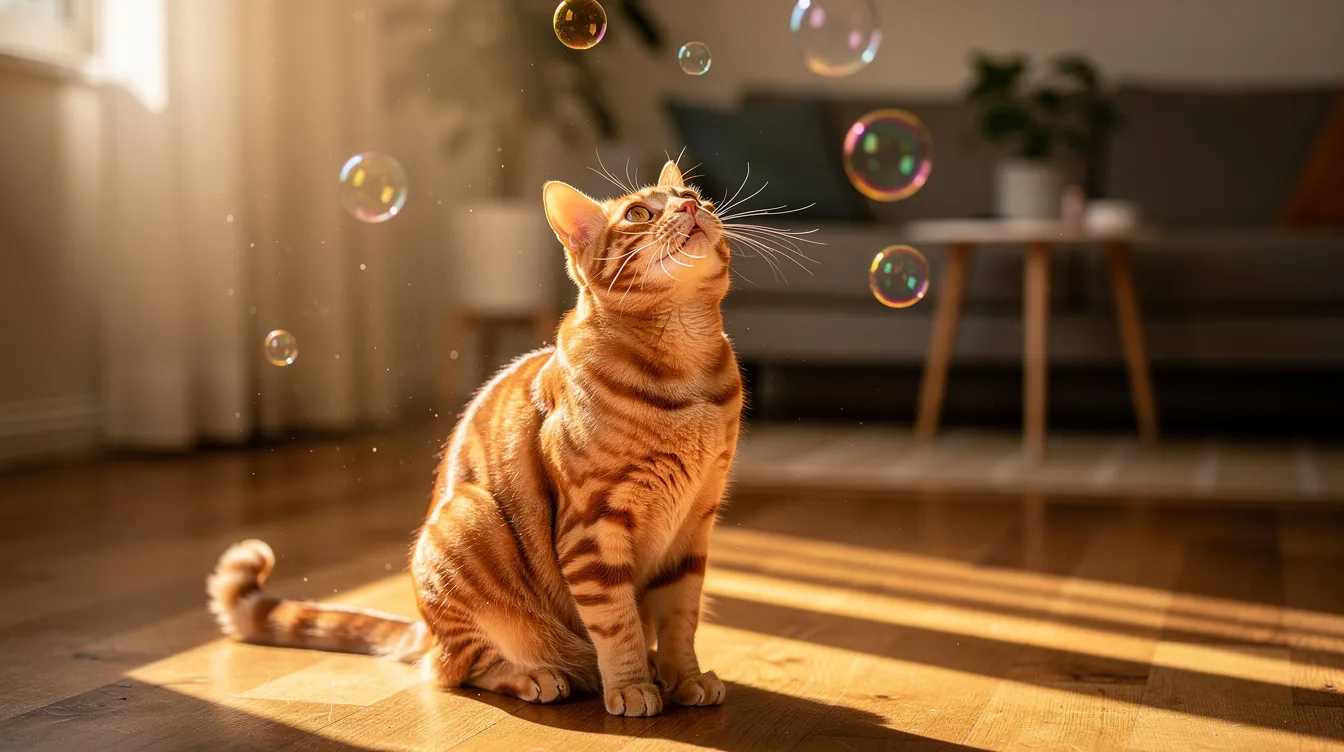
Are Catnip Bubbles Safe for Cats?
Safety depends on using a cat-specific, non toxic formula, following the product's instructions, and supervising play. Not all catnip bubbles are created equal, and a blanket statement that every product on every shelf is perfectly safe would be misleading.
What "non toxic" should mean here: mild surfactants, cat-safe catnip extract at appropriate concentrations, no harsh household detergents, and testing standards appropriate for pet products. Pet-safe formulas for catnip bubbles should be specifically labeled for cats - not just marketed with a cute kitty on the bottle.
Fresh and dried catnip are generally safe for cats. The ASPCA lists catnip as non-toxic. However, regular human bubble soap can be harmful to cats because they groom themselves after play. Essential oils can be toxic for cats, and catnip bubbles may contain essential oils beyond just catnip - honeysuckle oil, fragrance compounds - that could irritate or harm a sensitive cat. High concentrations of catnip oil can also harm cats, so more is not always better.
Avoid DIY catnip bubbles made with random dish soap. If you want to make your own, you can make catnip bubbles using two different methods - steeping dried catnip or using catnip extract - but always use unscented soap and a gentle glycerin-based formula. DIY catnip bubbles use glycerin-infused soap as a base, and homemade catnip bubbles allow for ingredient control so you know exactly what's touching your cat's paws. Cidero & Co. designs its catnip infused bubbles with pet-safe materials in mind, but still recommends short sessions, supervision, and avoiding direct spraying into the face.
What About Bubble Residue on Paws and Fur?
Cats will inevitably walk through popped bubbles or brush them off their fur during play. Because cats groom their paws and coat afterward, what's in the solution matters a lot. This is exactly why using only cat-specific, non toxic catnip bubbles is important - not homemade mixtures containing concentrated soap or essential oils not labeled for pets.
Don't blow bubbles directly at your cat's eyes, nose, or open mouth. Instead, blow them into the open air in front of your cat so they can chase voluntarily. Let them decide when to engage.
Monitor your cat during and after play. If you see signs of irritation - excessive drooling, pawing at the mouth, squinting, sneezing - rinse the affected area with clean water and stop using the product. A brief paw wipe with a damp cloth after play is an optional extra precaution for very sensitive cats or people with allergy concerns.
Are Catnip Bubbles Safe on Floors and Furniture?
Where you play matters almost as much as what you play with.
- Hard floors are generally easiest to clean. However, bubble residue can make surfaces slightly slick. Avoid enthusiastic bubble sessions on smooth stairs or near breakable items on the floor.
- Carpet and rugs absorb popped bubbles into their fibers. Test a small, inconspicuous area first if you're concerned about staining or residue. Keep play focused in one place rather than filling the entire room.
- Furniture and textiles - play a few feet away from sofas, curtains, and bedding. Wiping up fresh residue with a damp cloth right after a session works better than waiting.
Cidero & Co. designs catnip infused bubbles primarily for use on easily cleaned indoor surfaces, which fits the reality of most modern indoor cat homes.
How to Use Catnip Bubbles With Your Cat
Think of catnip bubbles as a simple, five-minute interactive game that mimics the natural see–stalk–chase–pounce sequence cats love. Treat them like a feather wand session - something you do together, not something you set up and leave behind while you pour yourself a drink.
Keep sessions occasional. Daily marathon bubble sessions reduce excitement over time. Mix bubble play with verbal praise and gentle hand interaction, turning it into a bonding ritual. Using catnip bubbles can strengthen the bond between pet and owner through interactive play, especially for indoor cats who spend a lot of the day alone.
Start With a Few Bubbles
Begin with a small puff - maybe five to ten bubbles - rather than filling the room. Shake the solution well before blowing. Sit or stand a few feet away and blow bubbles across your cat's field of view, keeping the stream low to the ground for easier chasing.
Watch body language. Ears forward, tail twitching, dilated pupils, or chirping all indicate interest. Flattened ears or backing away means your cat needs a slower introduction. End the first session quickly - one to two minutes - if your cat seems curious. This builds anticipation for the next time.
Turn Bubbles Into a Hunting Game
The unpredictable floating motion of bubbles mimics prey behavior for cats. That wild, drifting path through the air is what makes them more interesting than a ball sitting on the floor.
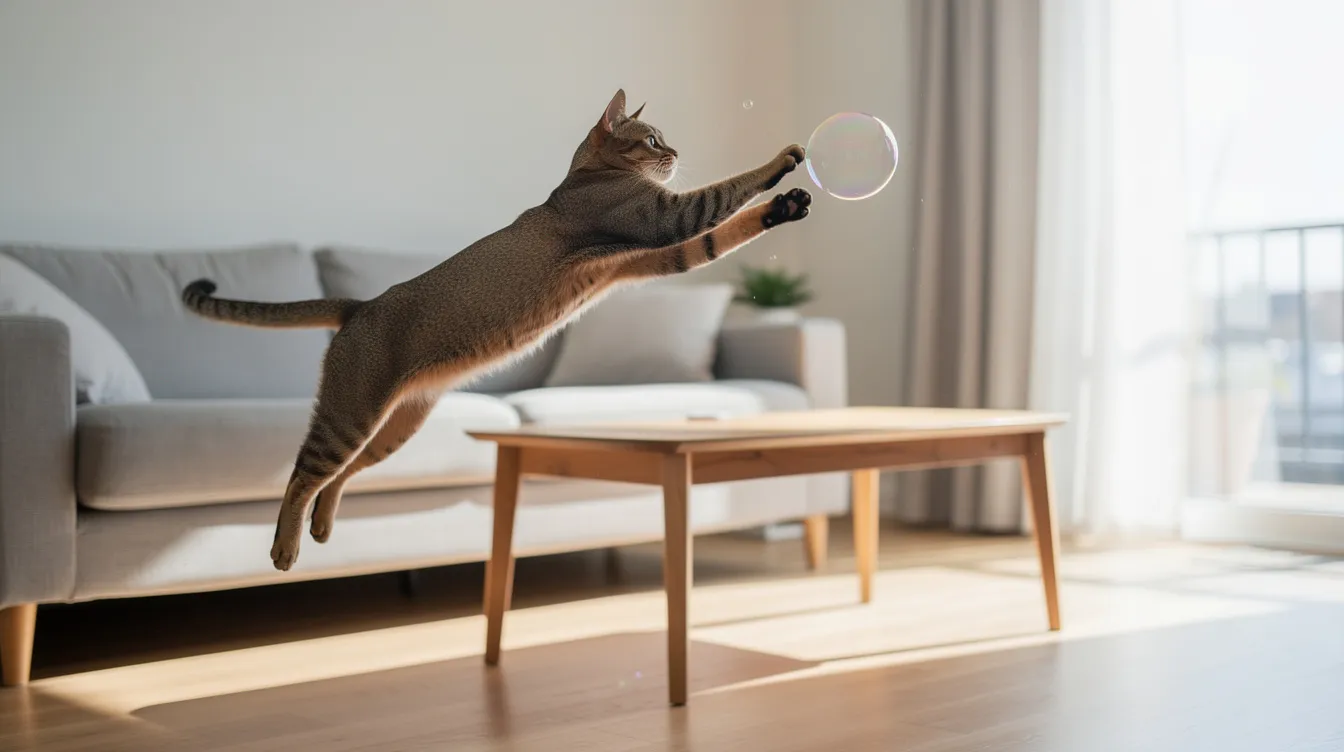
Blow a few catnip bubbles, pause to let your cat stalk, then add another short burst to encourage chasing and leaping. Move slightly around the room so your cat changes direction, tracking new targets the way they'd track a bug or a bird. Chasing bubbles helps indoor cats maintain a healthy weight through bursts of activity that feel like fun rather than exercise.
You can alternate between bubble bursts and tossing a soft catnip toy to keep play varied. Catnip infused bubbles complement other catnip toys nicely - different kinds of stimulation in the same session.
Keep Sessions Short and Sweet
Catnip bubbles are best used in brief sessions - around three to seven minutes of active play. Many cats lose interest after several minutes of intense stimulation, and ending on a high note keeps them eager for next time.
Put the bubble bottle and wand away between uses, out of reach, so curious cats can't knock it over or chew the stick. Rotate bubble play with other enrichment options across the week - chase toys, tunnels, interactive lamps - to prevent boredom for indoor cats.
How Long Do Catnip Bubbles Keep a Cat Interested?
Most cats engage with catnip bubbles for a few minutes at a time, making them ideal for short, focused enrichment rather than extended independent play. Some manufacturers claim catnip bubbles can entertain cats for hours, and while an especially interested cat may stay engaged through multiple rounds, the reality for most is shorter bursts of excitement.
Bubbles vanish quickly - that's part of the fun. If you blow bubbles nonstop for twenty or thirty minutes, many cats will simply walk away. Spacing out sessions preserves the novelty. Research on catnip response shows that after about five to fifteen minutes of exposure, cats typically experience a refractory period before they'll respond again.
Think of catnip bubbles as a five-minute fun break after work, or as a quick movement session before meals to tap into your cat's natural hunt–eat–groom–sleep cycle.
Catnip Bubbles vs. Regular Cat Toys
Catnip bubbles are a niche enrichment tool - great for certain play styles but not a replacement for your cat's full toy rotation. They should live alongside more traditional catnip toys, balls, and interactive products.
Bubbles provide visual movement and airborne targets. Toys like plush mice, cat kicker toys, and remote-control chase toys offer more tactile and longer-duration engagement. If your cat loves chasing moving light or floating dust motes, they'll likely enjoy catnip bubbles. If they prefer batting objects on the floor or need something to wrestle and chew, a stuffed catnip toy or kicker might fit better.
Older cats can enjoy tracking slow-moving bubbles without strenuous activity, making bubbles a gentler option. For senior cat enrichment, they can be a nice complement to low-energy play.
Start with a small bottle of catnip infused bubbles, observe the response, and build a toy rotation that suits your individual cat.
Who Should Try Catnip Bubbles?
Catnip bubbles won't be a hit with every cat, but they can be a surprisingly effective, low-cost experiment for many indoor cats. Sensory stimulation from catnip reduces boredom in cats, and catnip bubbles encourage play and exercise in indoor cats who might otherwise spend their day sleeping.
They tend to work well for indoor cats who spend long days alone, cats that visibly track floating dust or insects, cats with a strong existing response to dried catnip, and people who want quick play sessions that don't require a lot of space, setup, or stock of accessories.
They may not be ideal for cats that completely ignore catnip, easily startled cats that dislike sudden movement in the air, or owners expecting a toy that will entertain a cat independently for long periods. If you're looking for options that keep your cat busy while you're away from home, independent-play toys are a better fit.
Even if bubbles aren't a hit, they cost a bit less than most enrichment toys, so you're not out much. And there are plenty of other options to explore.
Catnip Bubbles for Cats: Are They Worth Trying?
Catnip bubbles can be a fun, non toxic way to add variety and movement to playtime, especially for cats that already love catnip and enjoy chasing visual targets. They're best used for brief, supervised sessions in a place that's easy to clean, and as part of a wider enrichment routine that includes scratching, climbing, and other catnip toys.
Cidero & Co.'s Catnip Infused Bubbles are crafted with a catnip infused formula for scent-driven engagement, designed with indoor cats in mind, and created to pair well with existing enrichment products in your home.
Try a bottle and watch how your cat responds. It's a low-commitment experiment that can reveal a new favorite game or simply confirm your cat's preferences. Either way, you'll know.
Make playtime a little more interesting →
Frequently Asked Questions About Catnip Bubbles
Are catnip bubbles safe for cats? Choose a cat-specific, non toxic formula. Avoid direct eye and mouth contact, supervise play, and stop if you see any signs of irritation like sneezing or excessive drooling.
Do cats actually like catnip bubbles? Many catnip-responsive cats love chasing them. Some will only watch, and others will show zero interest. All of that is normal.
Does catnip work in bubbles? Catnip's nepetalactone can still be effective when properly incorporated into bubble solution. Not every product - or DIY mix - will be equally potent.
What percentage of cats respond to catnip? Roughly two-thirds of cats respond, meaning about one-third may show little or no reaction due to genetic sensitivity.
Can kittens play with catnip bubbles? Follow the age guidance on the specific product label. When in doubt, wait until the kitten is at least six months old and introduce slowly.
Can cats lick catnip bubbles? Don't encourage deliberate licking or ingestion. Use the product as intended - bubbles to chase and bat, not a chew or lick toy.
Can I use catnip bubbles on carpet? You can, but hard floors are generally easier to wipe down. If you're concerned about residue or staining, test a small area first and keep the session contained.


