

What Is a Cat Kicker Toy? (And Does Your Cat Actually Need One?)
A cat kicker toy is a long, soft, elongated stuffed toy designed for indoor cats to grab with their front paws, bite, hug, and kick with their powerful back legs. You might hear it called a kicker toy, bunny kicker toy, kick stick, cat kick stick, or kitty kick stix–style toy. These names all describe the same basic shape and play style.
Unlike chase-based cat toys such as wand teasers or rolling balls, a kicker toy is specifically designed for what happens after your cat catches its prey. It's the wrestling phase-the grab, the hug, the bunny kick-that makes this toy category unique. A cat kicker toy offers a safe outlet for natural hunting behaviors that most indoor cats never get to fully express.
At Cidero & Co., we design kicker toys as part of a broader enrichment range for indoor cats. But whether you choose ours or another brand, understanding what a kicker toy actually is will help you decide if your feline friend needs one.
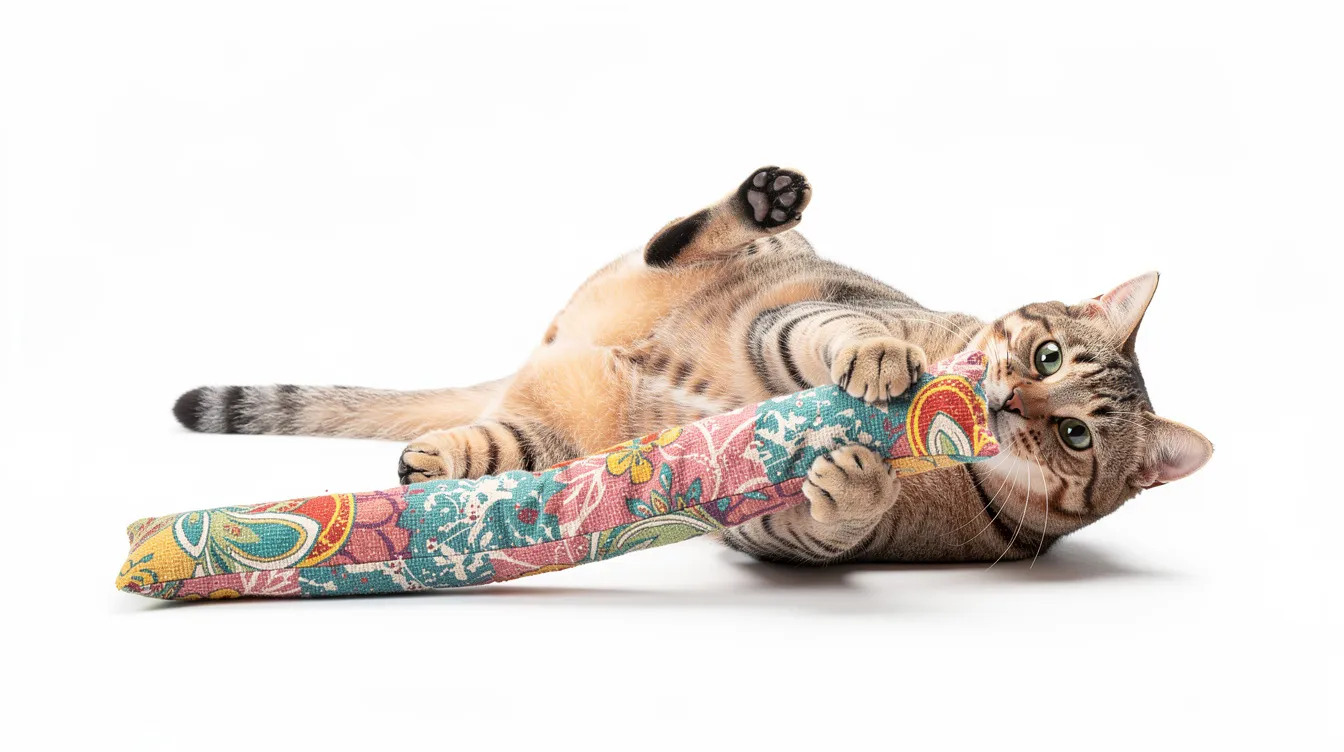
What Does a Cat Kicker Toy Look Like?
Picture a soft fabric tube, roughly 10 to 16 inches long-about the length of an adult cat's body. Kicker toys are typically around 10 inches long for standard sizes, though jumbo versions exist for larger cats. Here are the defining features:
- Elongated stick, tube, or fish shape that cats can wrap their body around
- Plush, canvas, or tough fabric exterior built to handle claws and teeth
- Stuffed interior, sometimes with crinkle material for extra sensory engagement
- Lightweight enough for a cat to carry, yet sturdy enough for repeated biting and kicking
- May include felt fins, printed patterns, or embroidered details as a nice touch of cuteness
Many modern cat kicker toys, including Cidero & Co.'s jumbo goldfish-style kickers, use pet-safe fabrics, double stitched seams, and fillings tested for indoor cat play. The core function, though, is always the same: a toy built to be hugged and kicked.
Why Are Kicker Toys So Long?
The length is functional. Kicker toys should be roughly the length of a cat's torso so your cat can wrap its front paws around one end while the back legs have room to kick the other-similar to how a cat would handle rabbit- or squirrel-sized prey in the wild. This is what allows cats to complete their natural hunting sequence on a single toy.
Larger cats and long-bodied breeds tend to do best with jumbo or XL kickers their own size, while kittens and smaller kitties may prefer shorter, narrower versions. For a deeper look at the instinct behind this behavior, check out why cats bunny kick toys and what drives this wild move.
What Does a Kicker Toy Do?
A kicker toy gives cats a safe object to act out their full hunting sequence on-grab, hug, bite, and bunny kick. Kicker toys are designed for the bunny kick instinct, letting cats play out what they'd naturally do with caught prey.
The typical play sequence looks like this: chase → grab with front paws → hug and bite → rapid back-leg kicks → reset and repeat. Kicker toys mimic natural predatory behavior of cats and engage cats' hunting instincts during play.
Core benefits include:
- Physical exercise, especially for core and hind legs-kicker toys provide intense exercise for indoor cats
- Mental stimulation through various textures and scents
- Using kicker toys helps release pent-up energy in indoor cats
- A healthy outlet for hunting-style behavior that kicker toys help reduce boredom and promote activity
- Kicker toys can help enhance the bond between pets and owners during interactive play sessions
Many cats love kicker toys filled with catnip inside or silvervine, but the shape and texture alone can trigger bunny kicking in cats that don't show a strong catnip response, which helps explain why cats like kicker toys.
Why Do Cats Kick Their Toys (The Bunny Kick)?
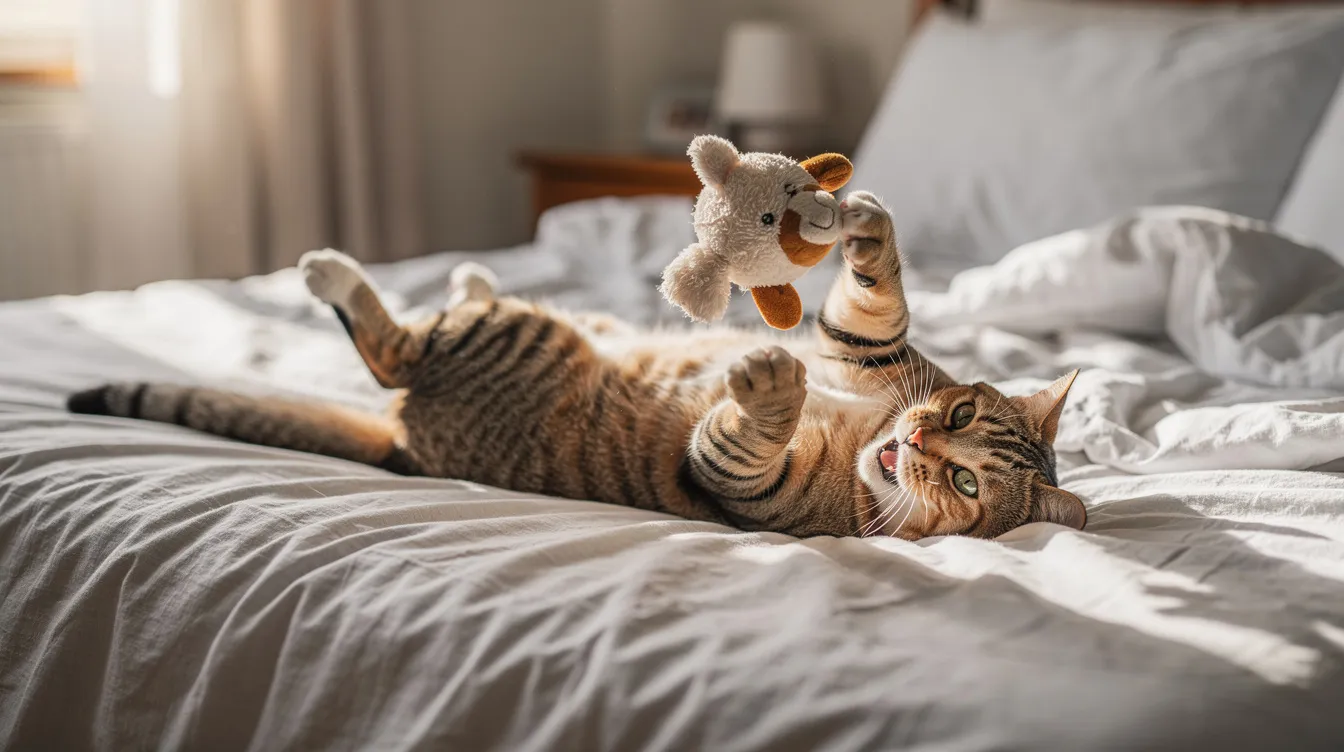
When a cat grips a toy with its front paws and rapidly rakes it with its hind legs-often while biting-that's the bunny kick. Bunny kick behavior is instinctive hunting behavior in cats, used to subdue and immobilize prey during hunting. Bunny kicks engage a cat's core and hindquarters muscles, making it a full-body workout.
Domestic cats still perform this instinct during play, which is why they may bunny kick soft toys, blankets, your couch, or even a human arm. A kicker toy is essentially built around this specific interaction-kicker toys allow cats to perform bunny kicks safely and are designed to withstand repeated bunny kicks. For the full behavioral science, read our guide on why cats love kicker toys.
Kicker Toy vs. Other Cat Toys: What's the Difference?
Cat toys come in many styles-wands, balls, plush mice, tunnels, even interactive lamps-and kicker toys fill a distinct "wrestling" niche. Here's how they compare:
|
Toy |
Main Interaction |
Best For |
|---|---|---|
|
Kicker toy |
Grab, hug, bite, kick |
Bunny kicking and wrestling |
|
Wand toy |
Chase, stalk, pounce |
Interactive hunting play |
|
Catnip mouse |
Bat, chase, carry |
Solo play and sniff fun |
|
Plush cuddle toy |
Cuddle, carry, bite |
Comfort and casual chew |
|
Ball |
Chase, bat, roll |
Movement and chasing |
Kicker toys aren't "better" than other toys-they serve a different purpose. We often recommend pairing a kicker with chase-based toys so indoor cats experience the full hunt sequence. Kickers can redirect a cat's rough play away from hands and furniture, which is why kicker toys stop bad cat behavior when used consistently.
What Is a Bunny Kicker Toy or Cat Kick Stick?
"Bunny kicker toy," "kick stick," and branded names like kitty kick stix are all informal terms for the same category: long, narrow kicking toys built for hind-leg kicking. A bunny kicker toy is not a separate toy type-it's a descriptive phrase tied to the bunny kicking motion cats use during play.
Some brands emphasize fresh catnip or a refillable catnip pouch, while others focus on tough fabric or handmade construction. The shared element is always the elongated, huggable shape. Cidero & Co.'s kicker designs follow this same concept-easy to grab, thick enough to wrestle, and sold with pet-safe materials. Most toys in this category look cute, but the function matters more than the aesthetics. Lol, that said, a goldfish kicker does bring serious cuteness to the cat toy bag.
Does My Cat Need a Kicker Toy?
No single toy is mandatory, but many cats love kicker toys and benefit from having an outlet for wrestling. Kicker toys can help reduce boredom and stress in indoor cats who don't have access to outdoor prey. Cat owners should observe their cat's natural habits: does your cat wrestle plush toys, kick blankets, or grab your arm and bunny kick? Those behaviors are strong signals a kicker toy will bring joy.
Kicker toys are especially helpful for bored indoor cats with lots of energy, giving them a way to play hard in a small space without damaging furniture or human skin.
A Kicker Toy May Be a Good Choice If Your Cat:
- Often bunny kicks other toys, blankets, or your belly
- Hugs plush toys and bites them during play
- Grabs your hand or arm with front paws and kicks
- Shows a strong catnip response or loves the catnip scent
- Frequently wrestles with other toys or stuffed animals
- Has bursts of high energy indoors and kitties love to pounce on anything that moves
- Enjoys carrying toys around-a sign your cat's attention goes to grabbable objects
For cats who already show these signs, a sturdy, durable kicker toy can redirect rough play away from humans and fragile objects. Most cats who display these behaviors are the ones you'll read about in review reviews where cats love kicker toys.
Your Cat May Not Care Much About One If:
- They mainly enjoy slow chasing of wand toys or a dog-like game of fetch
- They prefer puzzle feeders and scent games over wrestling
- They rarely grab or hold toys with their front paws
- They ignore larger plushes in favor of tiny mice or balls
- They show zero interest in plush or soft textures
Even if your cat doesn't take to a kicker right away, try different textures, sizes, or catnip versus non-catnip options before deciding. Enrichment should be tailored to the individual cat, not to trends.
How to Choose the Right Cat Kicker Toy
Think of this as a quick checklist rather than a long gear guide. For a deeper dive, see our 2026 buying guide for cat kicker toys and our broader guide to the best cat kicker toys that drive indoor cats wild.
- Length: Long enough for your cat to grab and kick. Kicker toys should be roughly the length of a cat's torso-generally 10 to 15 inches.
- Shape: Elongated stick, tube, or fish shapes work best for full-body wrestling. Some cats prefer slightly thicker toys to grip securely with their claws.
- Material: Look for pet-safe fabrics with reinforced stitching. Durability is crucial for kicker toys to withstand aggressive play-double stitched seams and sturdy cover fabrics at stress points matter.
- Fillings: Most kicker toys are filled with catnip or silvervine to engage cats. Options include a refillable catnip pouch, crinkle material, or plain stuffing. Choose based on your cat's known preferences and any sensitivity to smell or scent.
Is a Kicker Toy the Same as a Catnip Toy?
No. A kicker toy describes the shape and function-it's how cats play with it. A catnip toy describes what's inside or on the toy. Many kicker toys are also catnip toys because they're filled with catnip from the mint family (catnip is an herbaceous plant in that family), but there are plain fabric kickers and silvervine kickers too.
Roughly one-third of cats don't react strongly to catnip and may enjoy bunny kicking purely because of the toy's feel and movement. Don't assume a toy must contain catnip to qualify as a kicker. The Dancing Fish Catnip Kicker Toy is popular among cats who do respond, but shape and construction matter just as much as what's inside.
How to Use a Kicker Toy With Your Cat
Getting started is simple. Place the kicker near where your cat already likes to play. Gently wiggle or drag it along the floor to sniff and hunt-let them pounce and grab rather than pushing it into their paws.
A fun approach: start with a wand or chase toy to get your cat stalking and chasing. Once they pounce, hand off to the kicker toy so they can grab, hug, and kick. Treat the kicker as the "caught" prey.
Quick tips:
- Supervise first sessions to make sure seams hold up
- Avoid roughhousing with bare hands-let the kicker be the target
- Rotate kicker toys with other toys to keep them interesting
- Store catnip kickers in a sealed bag when not in use to preserve the catnip scent
- Kicker toys are suitable for solo play and should be inspected for damage regularly
For more ideas on keeping cats entertained when you're not home, check our solo play guide.
Frequently Asked Questions About Cat Kicker Toys
What is a kicker toy for cats? A kicker cat toy is an elongated, stuffed toy that cats grab, hug, bite, and bunny kick with their hind legs. It's designed around the natural wrestling phase of feline play.
What is a cat kicker toy used for? Cats use kicker toys to act out the grab-hug-bite-kick sequence. Kicker toys promote healthy play and reduce boredom while giving indoor cats a full-body workout.
Why do cats like kicker toys? Cats love kicker toys because the shape and size trigger their instinct to wrestle and subdue prey. The elongated body lets them fully engage front paws and back legs at once.
What is a cat kick stick or bunny kicker toy? These are informal names for the same type of toy-a long, narrow kicker built specifically for hind-leg kicking and wrestling.
Are bunny kicker toys good for cats? Yes. They provide safe enrichment for cats that enjoy wrestling and bunny kicking. They also help redirect rough play away from hands and furniture.
Do kicker toys have to contain catnip inside? No. Catnip is optional. Plenty of cats play with kicker toys based on shape and texture alone, and some owners prefer silvervine or unscented versions.
Always choose well-made toys, inspect regularly for damage, and replace if seams split or stuffing becomes exposed.
A Simple Way to Support Your Cat's Bunny Kick Instinct
A cat kicker toy is a long, soft toy made for grabbing, hugging, biting, and bunny kicking-nothing more, nothing less. It fills a specific niche that most toys don't cover: the wrestling phase where cats play out their deepest hunting instinct.
If your cat already grabs and kicks toys, blankets, or your arm, consider giving them something properly sized and built for that kind of play. Kicker toys allow cats to complete their hunting sequence in a way that's safe, satisfying, and genuinely fun for both of you.
Browse Cidero & Co.'s cat kicker toy collection to find a kicker designed with safe materials and instinct-driven play in mind-like our Jumbo Goldfish Kicker Plush, built for cats who love full-body wrestling.


