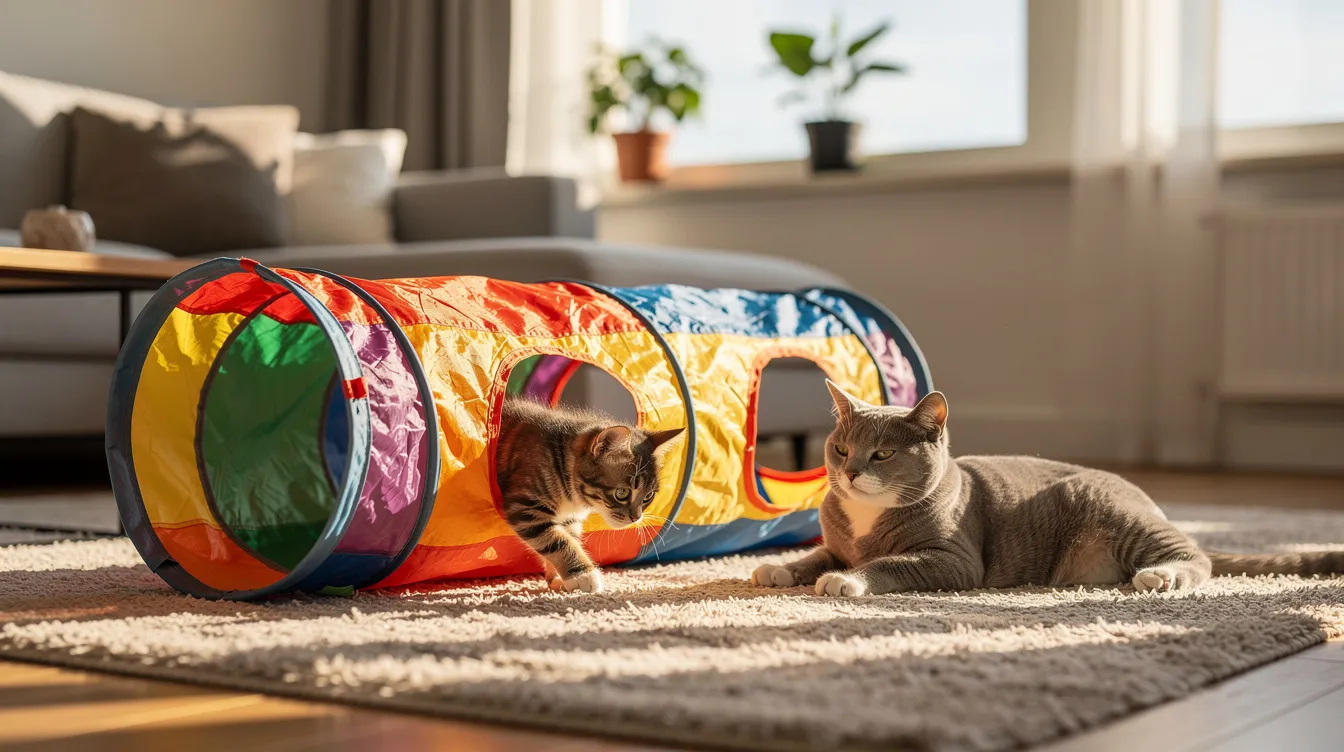
Choosing the Best Cat Tunnel for Kittens & Senior Cats [Expert Guide]
A cat tunnel is one of the simplest ways to turn a small apartment into an adventure zone for your kitten. Whether your new furry roommate is sprinting through the hallway at 2 a.m. or stalking a dust bunny under the couch, a well-designed tunnel gives all that energy a proper outlet. This article walks you through everything you need to know-from sizing and materials to play ideas and cleaning-so you can choose with confidence.
Quick Answer: What Makes the Best Cat Tunnel for Kittens?
If you're short on time and just need the essentials, here's your cheat sheet for finding the best cat tunnel for tiny kittens:
- Soft fabric interior that won't scratch delicate paws or whiskers
- Securely stitched plush ball toys instead of long, dangly strings that pose tangling risks
- Two peepholes (at minimum) that let light in and reduce fear for nervous kittens
- Low-noise lining so sound-sensitive kittens aren't startled on first contact
- Collapsible frame that folds flat for easy storage under a bed or sofa
At Cidero & Co., we design thoughtfully engineered enrichment products for indoor cats, rooted in our mission to support instinct-driven play in modern homes. Our toy set style tunnels combine the main tube with plush ball toys and a wand toy so you get interactive play right out of the box-no separate purchase required.
A good cat tunnel supports healthy exercise, reduces boredom, and encourages the natural chasing and hiding behaviors kittens crave. Think of it as a tiny gym, nap spot, and ambush fort rolled into one.
Why Cat Tunnels Are Perfect for Kittens
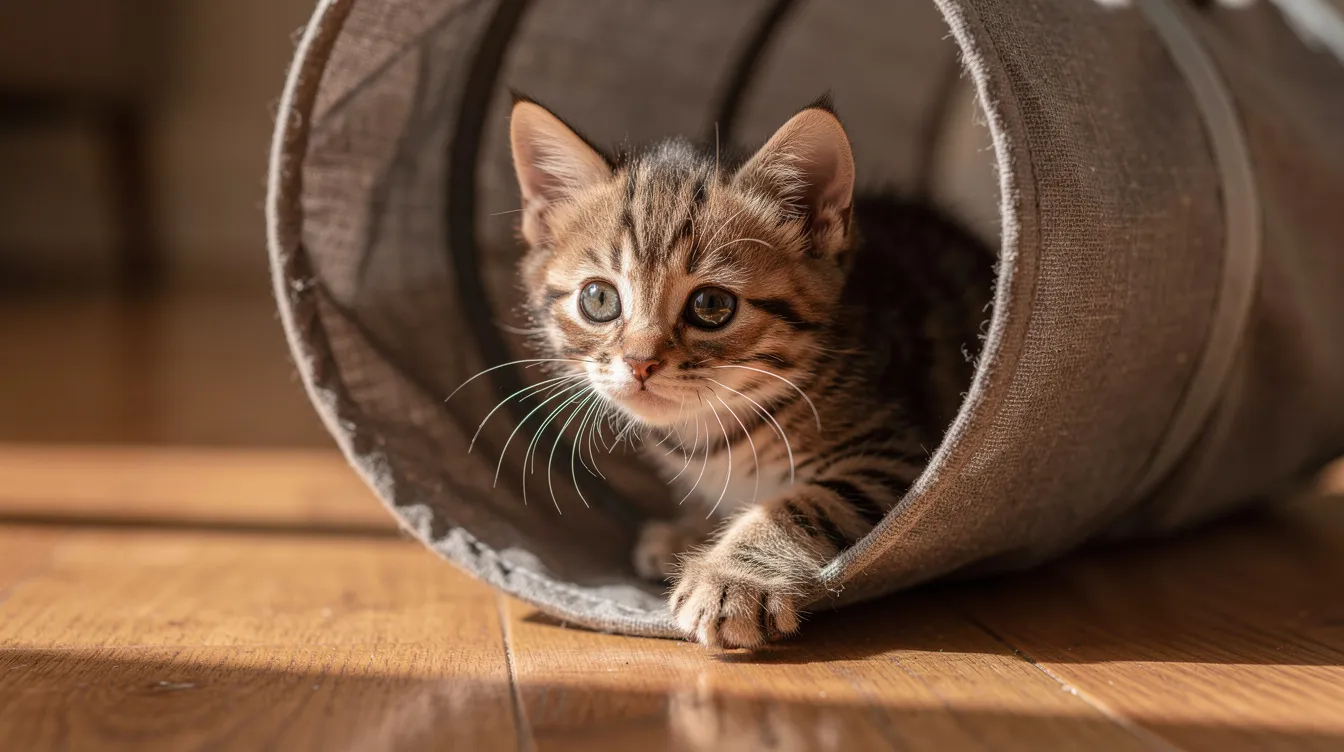
Cat tunnels are instinct-friendly toys that mimic the safe burrows and covered pathways wild cats would naturally explore. For kittens still learning to navigate the world, that enclosed space feels secure yet exciting.
Here's what happens when you drop a tunnel in a room full of kittens:
Stalking and pouncing practice.
Kittens instinctively run the predatory sequence-stare, stalk, chase, pounce. A tunnel gives them a controlled indoor space to rehearse every step.
Mental stimulation in tight quarters.
Even in a studio apartment, tunnels create an engaging environment for indoor cats to chase and hide without needing a yard. Interactive features like built-in peek-a-boo holes stimulate mental engagement, keeping boredom at bay.
Stress relief through hiding.
Research on shelter cats found that access to hiding spots significantly reduced stress indicators and improved positive behavioral postures. Tunnels serve the same role at home.
Multi-cat peace.
In households with other cats, play tunnels give shy or subordinate kittens a retreat that still lets them participate in play. Multi-tunnel designs prevent overcrowding and enhance engagement for cats sharing a space, and the best cat tunnels for multiple cats are specifically built to support shared play without conflict. Some cats even use tunnels to ambush other pets-all in good fun.
Medication hideouts.
A lesser-known benefit: tunnels can serve as hiding spots for cats during medication time, reducing the chase-around-the-room drama.
Play tunnels also work well for other small pets-young rabbits, ferrets, and even small-breed dogs can enjoy supervised tunnel time. After-work zoomies, rainy-day pounce sessions, or a lazy Sunday nap inside the tube-cats loved every version, and you can build a daily tunnel routine that banishes indoor cat boredom and find more ideas in our ultimate guide to cat tunnels and indoor play.
Key Features to Look For in a Kitten-Safe Cat Tunnel
Not every cat tunnel on the market is ideal for very young or small kittens. Dimensions, materials, and design details separate a safe purchase from a frustrating one.
Diameter and Opening
Most cat tunnels are around 9 to 10 inches in diameter, which works well for kittens. For very young or timid kittens, choose tunnels with dimensions around 10 to 12 inches in diameter-a slightly wider opening feels less intimidating and lets them enter without contorting.
Length
Stick with 36 to 48 inches for a single straight tunnel when your kitten is still building confidence. Overly long, dark tunnels can feel ominous. If the length exceeds 48 inches, make sure the tunnel has peepholes or cut-out windows roughly every 12 inches to let light in and maintain airflow.
Peepholes and Windows
Look for at least two peepholes or cut-out windows. These reduce anxiety for nervous kittens, allow natural light inside the tube, and create extra pounce points for wand toy play. Your kitten can peek out, bat a paw through, or use them as ambush stations.
Attached Toys
Built-in plush ball toys encourage batting and chasing without requiring a separate toy. The key safety rule: attachments should be short and securely stitched. Avoid long dangling strings-anything longer than a couple inches risks tangling around a kitten's neck. No small parts smaller than a ping-pong ball.
Noise Level
Cats may prefer tunnels with crinkle sounds, but some tunnels make crinkling sounds that startle noise-sensitive kittens. Start with a quieter soft fabric tunnel for the first few weeks. You can always introduce a crinkle option later once your kitten is comfortable. Crinkle tunnels can be noisy and may not suit all cats.
Collapsibility
Collapsible tunnels are easier to store when not in use. A good pop-up design folds flat into a circle you can slide into a bag or under a sofa. This matters for busy owners in smaller apartments who need easy storage between play sessions.
Materials, Safety, and Design Details That Matter
At Cidero & Co., pet-safe materials and thoughtful indoor design aren't marketing buzzwords-they're the baseline. Here's what to evaluate before you purchase any tunnel.
Fabric and Construction
Most cat tunnels are made of fabric supported by a frame. Common materials include nylon, polyester, and soft fabric blends. A durable polyester lining (like 210T polyester or Oxford cloth) can withstand daily zoomies for 24 to 36 months, while budget material might tear within 12 to 18 months. Mesh tunnels can snag cats' claws easily, so opt for a smooth, lined interior instead. Fleece fabric is harder to clean than polyester, so consider your tolerance for maintenance and how it aligns with the best cat tunnels for fast-bored indoor cats.
Internal Frame
Collapsible tunnels often have a wire support system-typically flexible spring-steel hoops or polymer rings. High-quality spring-steel tunnels do not rust or poke through with wear. Tunnels should have a safe, wire-free or well-reinforced frame with ends fully covered so there are no sharp edges for kittens to bump or chew. Cheaper tunnels sometimes expose wire at stress points after a few weeks of play.
Chemical Safety
Kittens chew and lick everything. Non-toxic dyes, absence of heavy metals, and certifications like OEKO-TEX Standard 100 matter. Avoid PVC-coated fabrics or flame-retardant finishes-some research links certain flame-retardant chemicals to endocrine issues in cats.
Stability
A slightly flattened underside or anti-slip strips prevent the tunnel from rolling when a kitten sprints through at full speed. On tile or hardwood floors, a tunnel that slides during a chase session can startle or injure a kitten.
Aesthetics
Light, neutral colors blend into home décor without screaming "pet toy." A center accent in blue or a subtle pattern gives kittens visual interest while keeping your room looking intentional.
How to Introduce a New Cat Tunnel to Your Kitten
Even the most confident kitten may need a gentle introduction. Rushing it can leave a negative impression that's difficult to undo, especially if you're working with a shy cat you're trying to get comfortable with a tunnel.
Start in a quiet room. Set the tunnel up in a low-traffic space rather than a busy hallway. Give your kitten a chance to explore on their own terms, without being startled by foot traffic or dogs passing by.
Create a treat trail. Using treats can encourage cats to explore tunnels. Place a few small treats or kibble pieces at the opening, then inside, then at the far end. Pair this with a wand toy snaking through the opening to spark curiosity.
Add familiar scent. Place a blanket, worn T-shirt, or soft mat at one end so the tunnel carries comforting home scents from day one. This one tip can cut adjustment time in half for a timid rescue kitten.
Supervise early sessions. Keep initial play sessions short, especially if plush ball toys or other hanging features are attached. Watch for any chewing on seams or frame edges.
Tips for timid kittens:
- Leave both ends fully open so they never feel trapped
- Choose a tunnel with two peepholes for extra visibility
- Avoid sudden loud crinkle noises until they're comfortable inside
- Many kittens start by batting at the outside or peeking through holes before confidently running through
Play Ideas: Getting the Most Out of Cat Tunnels for Kittens
A tunnel isn't a static tube you leave in the corner and forget-it's the center of a dozen different ways to play, and our guide to the best cat tunnel toys for crinkle, chase, and peekaboo play and cat enrichment blog packed with tunnel play ideas can keep that variety going.
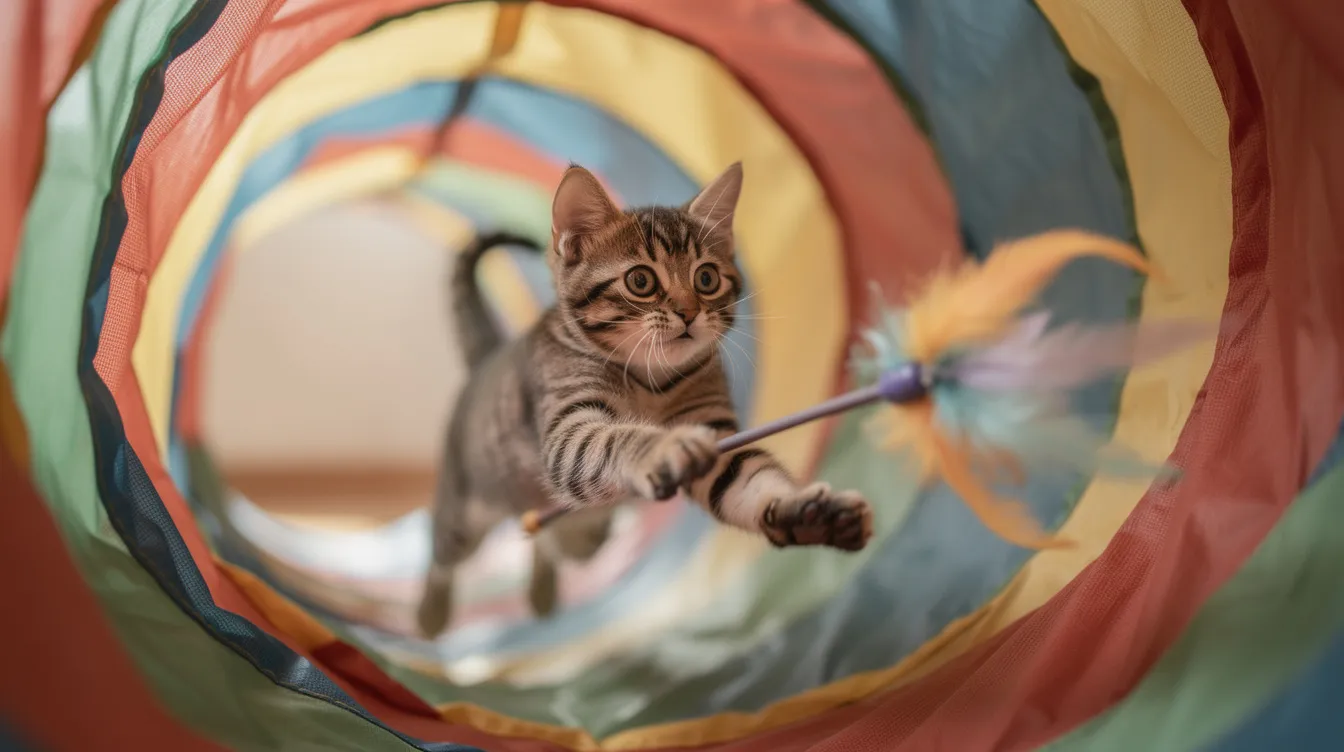
Wand toy ambush. Snake a wand toy in and out of the tunnel openings to trigger instinctive chase-and-pounce behavior. This is one of the fastest ways to get a hesitant kitten sprinting through the tube.
Treat hunts. Toss kibble or a few treats inside the tunnel so kittens learn to explore and "hunt." This doubles as slow feeding on days when they inhale dinner too fast.
Plush ball batting. Place plush ball toys at each end of the tunnel. Kittens will bat them, run through to chase, and dash back-a full cardio loop; multi-entrance designs like the Rainbow Starfish cat tunnel make this even more engaging.
Cardboard box maze. Connect tunnels with cardboard boxes to create a maze for enhanced exploration. A tunnel leading into a box leading into another tunnel transforms a small room into a sprawling course.
Mini obstacle course. Position the tunnel between a cat tree and a soft mat so kittens can run, climb, and tunnel in one continuous loop. Mixing heights with ground-level play keeps sessions varied and supports easy ways to keep your cat entertained while you’re away.
Pace it right. Kittens enjoy short play sessions of 5 to 10 minutes for effective engagement. High-energy chase games followed by calm rest inside the tunnel (like a cozy den) mirror natural activity cycles.
Mix it up. Moving the tunnel to a new spot in the room can renew your cat's interest overnight. Pair tunnels with enrichment pieces like interactive lamps or remote-controlled chase toys from our collection of cat enrichment products for varied sessions across the week.
Cleaning, Storage, and Longevity Tips
Kittens are messy by nature-accidents happen, fur accumulates, and catnip residue ends up everywhere. Easy-clean cat play tunnels are essential for long-term use.
Daily maintenance. Wipe the inside with a damp cloth to remove smudges, drool, or crumbs. Fabric type affects cleaning ease and comfort for cats-smooth polyester wipes clean in seconds, while tunnels with fuzzy fabric are more difficult to clean and tend to hold fur, especially on feature-rich designs like the foldable Rainbow Starfish cat tunnel.
Deeper cleaning. After spills or litter-box accidents, spot-clean with a pet-safe cleaner. If the wire frame is sewn in, machine washing usually isn't recommended-handwashing with mild soap and air-drying works better.
Hair control. Run a lint roller or handheld vacuum along the inside of the tunnel once a week. This keeps the tunnel smelling fresh and prevents fur buildup that could trigger allergies.
Storage. A well-designed collapsible tunnel folds into a flat circle and stays closed with elastic loops or hook-and-loop tabs. Slide it into a bag, drawer, or storage bin. When folded, most tunnels take up less space than a dinner plate.
When to replace. Regularly check cat tunnels for loose threads and torn fabric to ensure safety. Signs it's time for a new one:
- Frayed edges or torn seams that tiny paws could snag
- Exposed wire poking through the lining
- Loose plush ball toys that could become a choking hazard
- Frame that no longer holds its shape after being unfolded
Quality tunnels-like those from Cidero & Co.-are designed to hold up under daily kitten zoomies for two to three years when used as directed, giving you genuine durability for the price.
Choosing a Cat Tunnel that Fits Your Home and Lifestyle
Apartment life, multi-pet homes, or a minimalist aesthetic can all influence which tunnel works best. Here's how to save time and choose wisely.
Size planning. Short, single straight tunnels suit studio apartments. Larger multi-way play tunnels with some tunnels having multiple openings for added play options work better in homes with a dedicated play corner or spare room.
Noise preferences. Quieter soft fabric tunnels are ideal for night-time play in shared spaces. Reserve noisy crinkle cat play tunnels for daytime sessions when the sound won't bother roommates or sleeping dogs in the next room.
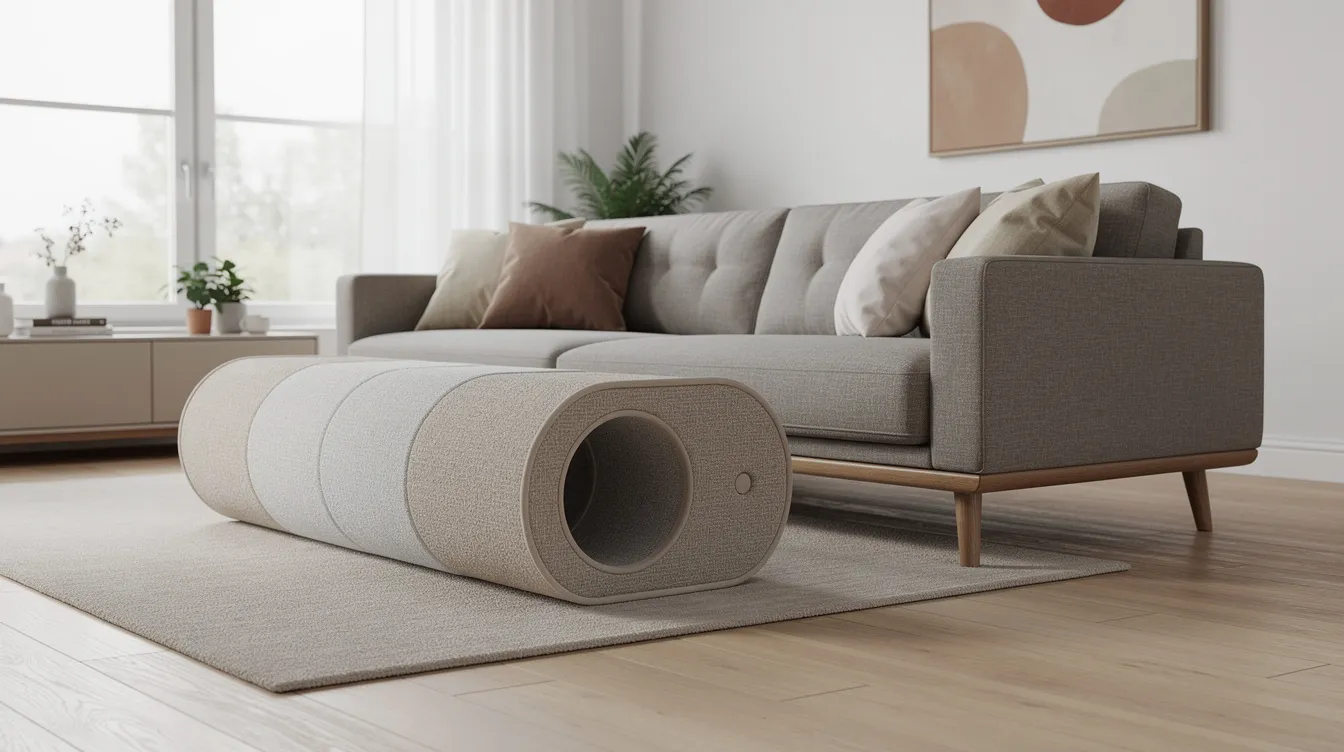
Placement. Think about where the tunnel will live long-term-under a window, beside a sofa, along a hallway. Choose colors and shapes that fit the space. A tunnel you leave out permanently should look intentional, not like something dragged in from a garage sale.
What matters at the end of the day is that the tunnel is safe, fits your space, and gives your kitten a chance to run, explore, sleep, and play every single day. A tunnel isn't a difficult purchase to get right-once you know what to look for, the right one practically picks itself.
Ready to give your kitten the enrichment they deserve? Explore Cidero & Co.'s collection of cat tunnels, wand toys, and enrichment accessories designed specifically for indoor cats and growing kittens. Your kitten's next favorite hiding spot is one click away.