

Is Your Cat Ignoring Their Kicker Toy? 9 Tricks That Actually Work
If your cat won't play with a kicker toy, the usual reason is not that anything is “wrong” with your cat—it’s that the toy hasn't been introduced in a way that makes sense to them. Many indoor cats ignore kicker toys because the scent is unfamiliar, the toy stays still, the timing is off, or the toy simply doesn't match that cat's play style.
You bought your cat a new kicker toy. They sniffed it once, maybe pawed it casually, then walked to the other side of the room and went to sleep. Now the toy just sits on the floor like a very expensive decoration.
This is a common problem for indoor cat parents who want better, more enriching play at home, and figuring out the cause can make a real difference. When you match the toy to your cat's personality, add movement, use familiar scents, and offer it at the right moment, you're much more likely to get safe play that reduces boredom, adds mental stimulation, and gives you a better way to engage together.
This article walks through nine practical things you can try to get the kicker back into rotation, including how to match toys to different play styles, when to rotate toys, the best timing for play, and what to do if your cat truly isn't a kicker-toy cat. We'll also cover when it's reasonable to stop trying and shift to a different type of enrichment entirely.
First, Why Won't My Cat Play With the Kicker Toy?
Cats don't automatically recognize a new object as a toy just because a human placed it in front of them. To your cat, the kicker is an unfamiliar object that appeared one day and hasn't done anything interesting since.
Common reasons a cat won't play with a kicker toy:
- It smells "wrong"-factory-fresh chemicals, cardboard box packaging, or a stranger's scent from shipping.
- It's motionless on the floor, and cats often ignore stationary toys that lack movement and don't resemble prey.
- The cat isn't in a hunting mood right now.
- The texture of a toy can affect a cat's interest in playing with it, and this one might feel wrong to them.
- It's been left out constantly, so it blends into the background like the sofa or scratching posts.
- They prefer climbing the cat tree, chasing string, or social interaction with you instead.
Don't force it. Chasing your cat with the kicker or pushing it into their face creates a negative association and can lead them to avoid both the toy and the area.
This is a troubleshooting guide, not a sales pitch. The goal is to help you understand your individual cat and when a cat kicker toy is actually a good fit.
1. Stop Leaving the Kicker Toy Out All the Time
Cats can experience sensory adaptation and lose interest in toys they see frequently. Research shows cats often lose interest in toys after about three play sessions with the same object. When the kicker is visible 24/7, your cat's brain basically reclassifies it as furniture.
- Available all day = background object. Your cat will eventually walk past it without a glance.
- Appears during play = exciting event worth investigating.
A basic rule: if your cat hasn't engaged with the kicker in 24–48 hours, put it away in a drawer or closet. Not every toy needs to be hidden constantly, but different types of cat kicker toys, wand toys, and motorized toys work best when they feel like limited-time events.
2. Try a Simple Toy Rotation System
Toy rotation is a structured way to keep enrichment feeling fresh without constantly buying more. Rotating toys can help maintain a cat's interest over time by preventing every item from becoming permanently familiar.
A realistic starter system:
- Keep 3–5 toys accessible at once: one kicker, one chase toy, one small batting toy, one tunnel or cardboard box, one food puzzle.
- Store everything else in a sealed container.
- Swap 1–2 items every 3–7 days, or sooner if your cat clearly loses interest in what's out.
Watch the cat, not the calendar. Some owners like to "marinate" stored toys in a sealed bag with dried catnip between rotations to refresh scent, but don't overpromise this as a guaranteed fix. Rotation also extends toy life and reduces clutter-which matters if your house doesn't have a spare bedroom dedicated to cat supplies, and it helps you spot which cats really enjoy bunny-kicking with kicker toys.
3. Make the Kicker Smell Familiar
Many cats are suspicious of chemical or factory smells on brand-new toys. Using enticing, familiar scents can enhance a cat's reaction to toys far more than leaving them factory-fresh.
Steps to soften the scent:
- Leave the kicker near your cat's usual sleeping spot for a day or two.
- Gently rub it on a blanket or bed they already love.
- Place it near (not on) their cat tree so it picks up familiar environmental smells.
- If the toy has a catnip pocket, follow the label directions-but don't overdo it.
- Avoid touching the fabric with strong human perfumes or household cleaners, and be mindful of what fabrics and fillings are actually inside the kicker.
What About Catnip?
About 50% of cats do not respond to catnip toys at all. The reaction is genetic, and kittens under about six months rarely respond either. If your cat ignores a catnip-stuffed kicker, they may simply be a non-responder.
Using different attractants like silvervine can engage more cats in play-studies suggest it works for up to 80–90% of cats, including many catnip non-responders. Valerian root is another option worth trying.
Don't assume that sprinkling more and more catnip on the kicker will force interest. Too much scent can cause avoidance, not excitement. Cidero & Co. designs its plush and kicker toys to be appealing even without catnip, focusing on texture, size, and movement potential, like the oversized Jumbo Goldfish Kicker Plush for cats.

4. Don't Just Put the Toy in Front of Your Cat
A kicker lying flat on the floor doesn't resemble prey. Moving toys attract more interaction than stationary options, and kicker toys need to be animated to be interesting to most cats. Cats prefer toys that mimic unpredictable movement and sound-the kind of behavior a mouse or bird would create.
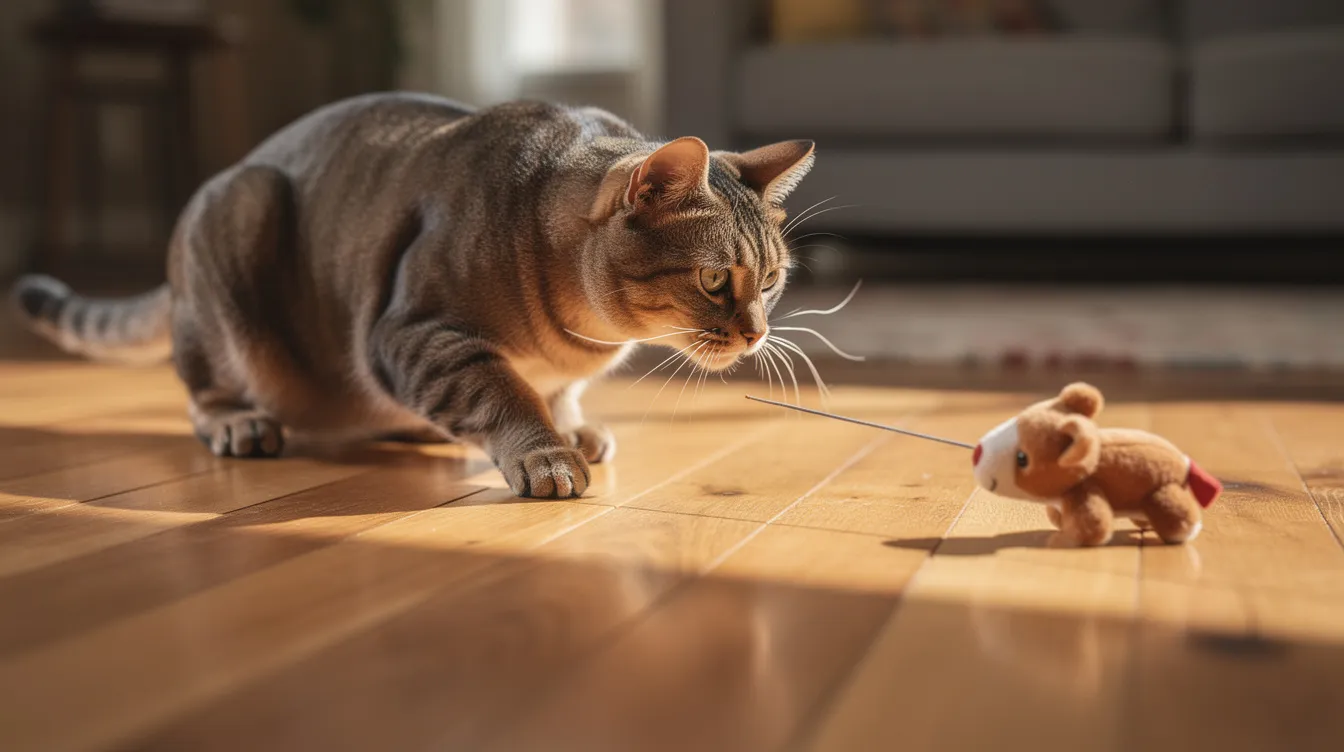
Ways to make the kicker move:
- Drag it slowly past your cat's paws so it skims low through the air for a second before landing and sliding along the floor.
- Pull it around the corner of the sofa so it appears and disappears.
- Partially hide it under a blanket so only the "tail" or "fin" sticks out from the holes in the fabric.
- Use slow, unpredictable movements with pauses-let the cat watch, stalk, and plan.
- Keep your hands at the far end of the toy so they can grab and bite the plush, not your skin.
If your cat responds better to distance, animate the kicker with a rod-style teaser setup instead of placing it right in front of them.
Think of it as a two-minute game: drag the kicker slowly across the room, pause behind a chair leg, let your cat creep closer, then twitch it once more. That moment of tension is what makes the toy worth catching.
5. Use the Full Play Sequence: From Stalk to Bunny Kicks
Interactive play is crucial for stimulating a cat's hunting instincts. Cats prefer toys that mimic hunting behavior, and the full predatory sequence looks like this: stalk → chase → catch → grab → bite → bunny kick → rest.
Kicker toys shine in the grab-bite-kick phase, not usually at the beginning, and they can also redirect rough play or ankle attacks when you pick the right kicker toy for your cat. So start the game elsewhere:
- Use a wand or chase toy to trigger stalking and chasing.
- Once your cat is engaged, smoothly switch the catch to the kicker plush.
- Let them win. Allow them to catch it, hang on, and deliver several strong back-leg kicks.
- Don't constantly pull the toy away at the moment of the pounce-that's frustrating and can lead your cat to drop out of the game entirely.
Short play sessions of 10 to 15 minutes are ideal for cats. End the session with high-value treats or their regular meal to close the hunt-eat-groom-sleep cycle that satisfies predatory behavior. Scheduled meals usually work better than free feeding when you're trying to build a predictable play-then-eat routine.
6. Try a 3-Day Kicker Toy Introduction Experiment
Frame this as a low-pressure experiment, not a guaranteed method. The point is to test whether gradual introduction changes your cat's reaction.
- Day 1: Place the kicker near a favorite rest area-bed, window perch, cat tree platform. Don't move it or push it toward the cat. Let it simply exist in their presence so they can sniff or ignore it freely.
- Day 2: During a natural active period (early evening for most cats), briefly animate the toy for 3–5 minutes. Drag it past them, tuck it under a blanket edge, nudge it around a chair leg. Then put it away, even if they don't engage.
- Day 3: Combine movement with the full play sequence. Start with a short chase session using a wand, then transition to letting them catch and kick the plush. Keep it short and end on a successful catch.
If after three days your cat still completely ignores the kicker, give it a break. Store it out of sight for a week or two and try again later. Before trying a different toy, you can double-check that the kicker itself passes some basic kicker toy safety checks. There's no reason to escalate pressure-this experiment is about gathering information, not forcing a result.
7. Match the Toy to Your Cat's Personality and Play Style
Cats' play preferences are highly individual and can vary significantly, even among littermates. There's no single "best" cat toy. Cats can be picky about their toys based on size, scent, or play style, so knowing how your particular cat already plays is more useful than any product recommendation.
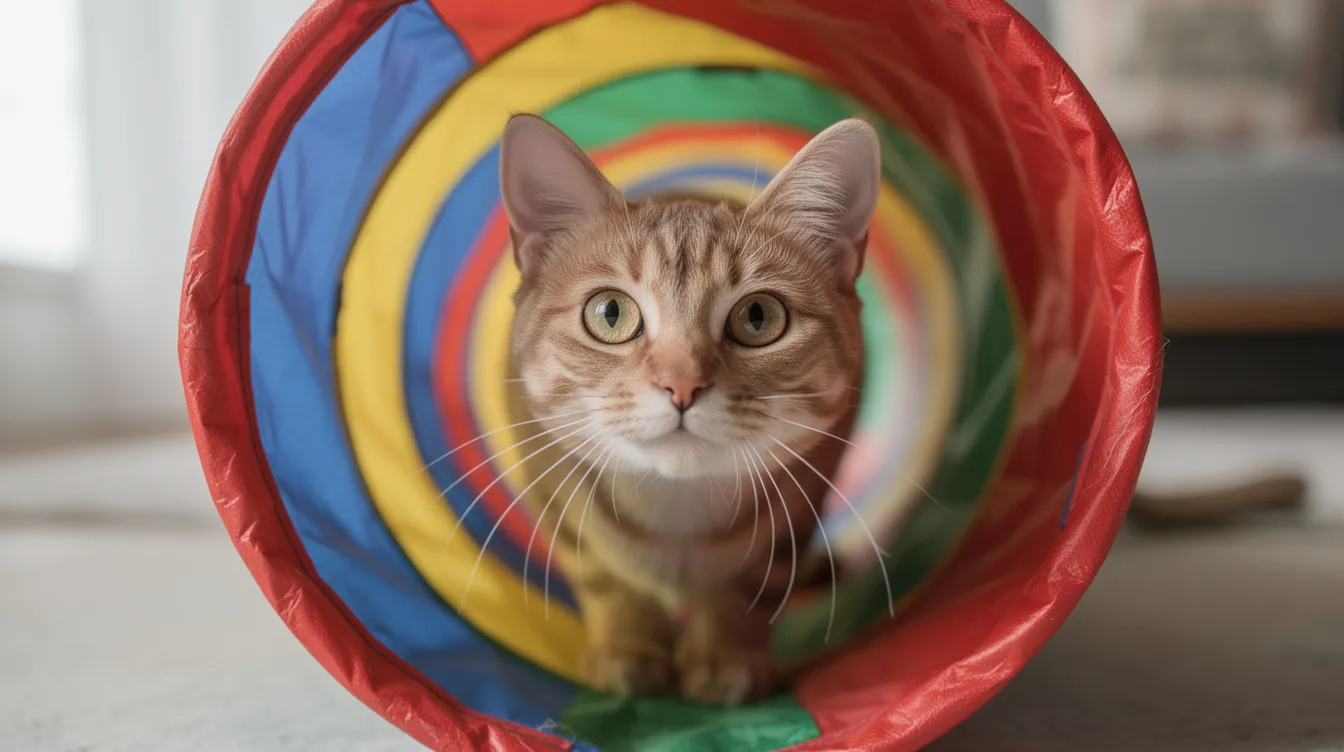
Common play personalities:
|
Play Type |
What They Love |
Best Toy Fit |
|---|---|---|
|
The Wrestler |
Grabbing, biting, bunny-kicking |
Kicker plush, large stuffed toys |
|
The Hunter |
Stalking, chasing, pouncing |
Wand toys, chase spinners |
|
The Explorer |
Crawling through tunnels, ambushing, hiding |
Tunnel toys, cardboard boxes that tap into the benefits of cat tunnels for indoor cats |
|
The Bat-and-Chaser |
Tapping, swatting, chasing small objects |
Lightweight balls, tiny plush mice |
Some cats prefer small, fast-moving objects they can carry over larger kicker toys. Watch how your cat already plays around the house-with socks, paper, box edges, shadows-and use those clues to decide whether to keep focusing on the kicker or shift to another enrichment type.
8. Try a Different Time of Day (and the Right Energy Level)
Timing matters. Most adult cats have natural activity spikes around dawn and dusk. Engaging in play shortly after a cat's natural predatory activity bursts can be far more effective than interrupting a deep nap or presenting the kicker right after food.
- Try 5–10 minute play windows just before breakfast or in the evening when your cat is already pacing, vocalizing, or climbing, weaving in a simple daily tunnel play routine if they enjoy hiding and ambushing.
- Never wake a sleeping cat specifically for a toy session.
- Stressors like houseguests, loud TV, or a recent vet visit can temporarily kill play motivation. Sometimes the best adjustment is waiting a day.
9. Give the Kicker Toy a Break (and When to Stop Trying)
It's okay if one cat just doesn't click with a specific toy. Individual preference is a real and normal part of enrichment.
If you've tried scent familiarization, movement, timing changes, the 3-day experiment, and rotation, and your cat still flatly ignores the kicker, store it out of sight for at least a week or two. Many cats rediscover toys they once ignored after the object disappears and then reappears later-especially when combined with rearranged furniture or a new context.
If the cat consistently retreats or looks stressed when the kicker appears, retire it. Then lean into whatever enrichment they actually enjoy, whether that's a tunnel for hiding and ambush play or a chase toy that lets them stalk across the room.
What If My Cat Played With the Kicker Once and Then Started to Lose Interest?
This is one of the most common complaints, and it makes perfect sense. Cats often lose interest in toys after three play sessions or even after three days with the same object. A strong first session followed by fading interest doesn't mean something broke-it means the cat has fully explored that exact experience and the novelty is gone.
Quick response:
- Put the kicker away for several days.
- Rotate in other items-a tunnel, wand toy, puzzle feeder.
- Reintroduce the kicker later in a different room, near different furniture, with a new play sequence.
- Change how you handle it: slower movement, more hiding, pairing with a chase toy before the grab phase.
Short bursts of intense play followed by long rest are completely normal cat behavior. Track what toys your cat returns to across a week rather than judging the kicker solely on day-one excitement.
When Your Cat Needs More Than One Type of Toy, Like Wand Toys
Many indoor cats benefit from a small collection of toys, each serving a different instinct: chasing, hiding, grabbing, kicking, and foraging. Interactive toys can increase activity in sedentary indoor cats, and interactive toys can enhance playtime engagement across different moods.
- Kicker plush: Best for grab-bite-kick wrestling once the cat has "caught" the prey.
- Chase toy or hunting spinner: Ideal for stalk-chase-pounce sequences. Interactive toys stimulate cats' natural hunting instincts and keep the game unpredictable.
- Tunnel: Supports hide-explore-ambush play and can be combined with small toys tossed through it. Read more about how tunnel play works for indoor cats and how to choose the best cat tunnels for bored indoor cats.
- Food puzzle feeders: Can provide mental stimulation through foraging behavior, and puzzle feeders increase activity in sedentary indoor cats who aren't drawn to physical play.
The goal isn't to keep buying random new toys. It's to curate a small set that covers your cat's favorite behaviors and then rotate strategically, especially if you're using kicker toys as part of that daily routine.
How Often Should You Rotate Cat Toys?
There's no universal schedule. Rotation should be guided by your cat's engagement, not the calendar.
A starting point: keep 3–5 toys accessible and store the rest. Once you notice your cat ignoring one toy for several sessions, swap it out. Experiment with a 3–7 day cycle and adjust from there. Rotation can include different categories-plush kickers, wand attachments, small balls, puzzle feeders, and even rearranging access to the cat tree or cardboard boxes. Jot a quick note when you rotate so you remember what's been on vacation long enough to feel new.
Signs Your Cat Actually Likes the Kicker Toy (Even If It Looks Subtle)
Engagement isn't only dramatic bunny kicks. Look for quieter signs:
- Repeated sniffing or cheek-rubbing on the kicker
- Lying next to it or resting a paw over it
- Brief pounces followed by casually walking away
- Grabbing it for a few seconds when you move it
- Batting at it as they pass through the room
- Attempting to carry it a short distance before dropping it
A cat who occasionally returns to the kicker across several days genuinely values it, even if each session is short. That still counts as enrichment. True disinterest looks different: consistently moving away when the toy appears, or choosing other toys every single time over multiple weeks.
FAQs: Ignored Kicker Toys, New Toys, and Losing Interest
Why won't my cat play with their kicker toy? Usually it's a combination of unfamiliar scent, no movement, wrong timing, or simply not their preferred play style. It can be amusing at first, but the goal is still to learn what kind of play your cat actually responds to. See our guide on why cats ignore toys for more info.
How can I teach a cat to use a kicker toy without forcing them? Animate it-drag it, hide it, pair it with a chase session first. Let the cat decide to engage rather than pushing the toy toward them.
Why does my cat ignore new toys the moment I bring them home? Factory smells and unfamiliar textures. Give the toy time to absorb household scents before presenting it as a game.
Why does my cat lose interest in toys after only a few days? Novelty decay. Cats habituate quickly. Rotate the toy out, then reintroduce it later in a different context.
How long should I leave a new toy out before rotating it? If interest drops after a session or two, put it away. There's no minimum requirement.
Is it safe to leave kicker toys out when I'm not home? Check seams, loose parts, and any string or feather attachments first. If the toy has small pieces a cat could swallow, supervise play and store it between sessions.
Have you noticed a setup your cat prefers? Share any comments about the movement, surface, or room that got the best response.
Should I worry if my cat barely plays at all? A sudden, broad decline in all play-not just with one toy-can signal health issues like dental pain or arthritis. In that case, a vet visit is more important than buying new toys. For senior cats, gentler enrichment options may be more appropriate.
Conclusion: From "My Cat Won't Play With the Kicker Toy" to a Better Play Routine
A cat ignoring a kicker toy is usually about timing, presentation, and preference-not about you failing as a cat person or your cat being ungrateful. Make it smell familiar, make it move, use the full hunt sequence, rotate it, and accept their preferences if it still doesn't click.
Discovering what your cat doesn't like is just as valuable as discovering what they love. It helps you create a better, more targeted enrichment routine instead of guessing. Build a small, thoughtful mix of cat toys-kickers, chase toys, tunnels, and feeders-that fit your cat's personality and natural behavior.
And if your cat turns out not to be a kicker-toy cat, that's useful information too. Try a different type of enrichment rather than forcing one toy to do everything.


